If you are an adult who could benefit from braces, whether for cosmetic reasons or for functional reasons, you may have already considered the advantages and disadvantages of adult orthodontics. As an adult, you may have determined that you are not interested in metal brackets and wires, even for a short period of time.
Still, you are certainly not too old to seek the orthodontic treatment that you desire. In fact, as an adult, you have access to more advanced and more appealing alternatives to traditional orthodontics. Dr. John M. Hucklebridge, your dentist serving Dallas, offers Invisalign technology to enhance your smile.
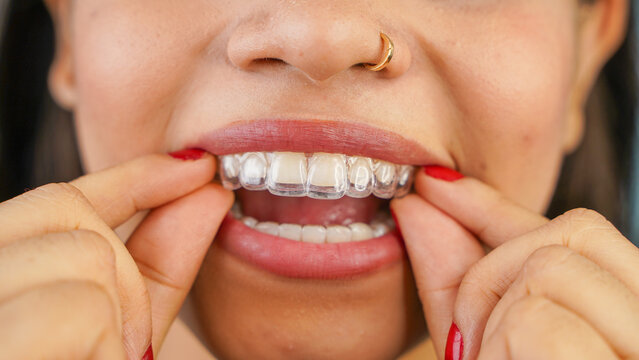
The Invisalign method utilizes groundbreaking technology to provide the most discreet and most hygienic orthodontic treatment available. A customized series of clear, removable aligners are the secret to achieving your new smile.
After obtaining dental impressions of your top and bottom teeth, Dr. Hucklebridge will communicate with the specialists at the Invisalign headquarters to develop your orthodontic treatment plan. Three dimensional models of your teeth will be used to fabricate a complete series of aligners, according to the length and complexity of your treatment estimate.
Prior to receiving your first set of aligners, you will be able to view the digital progression of your treatment with your dentist. Once they are received, each set of aligners will be worn both day and night for approximately two weeks, before you are advised to proceed to the next set. As each set is slightly different, your teeth will be gently guided into the appropriate position.
During this time, your aligners can be removed for eating, brushing, and flossing. Invisalign aligners are fabricated from a very strong, but amazingly thin polymer that becomes virtually invisible when placed over the teeth. For adults, this is an especially important advantage since it allows you to maintain a more mature and professional appearance for the duration of the treatment.
If you have wondered how orthodontic treatment would fit into your adult lifestyle, call the office of Dr. Hucklebridge for your appointment today to learn more about Invisalign.
The teeth and gums of your Golden Years are far different from those of your grade school days. At each stage in your life, your dental needs are unique. The steps that are required to care for those needs can be difficult to navigate without the assistance of your Plano dentist, Dr. John M. Hucklebridge.
With a strong emphasis on preventing dental disease, and an abundance of available educational information, Dr. Hucklebridge may be your best healthcare resource. Today, it is reasonable to expect to maintain a healthy smile throughout your lifetime. There is no reason to expect tooth loss to be a part of your destiny.
For adults, brushing and flossing after meals should still be an integral part of your daily routine. Foods that may collect around the gumline and between the teeth can contribute to gum disease and cavities. Mature adults should also monitor their diets for foods and drinks that can increase the risk for tooth decay and tooth sensitivity.
As you age, protecting your enamel can be a daily challenge. Acidic beverages such as fruit juices and red wines can erode the enamel. Even digestive conditions like acid reflux and GERD have been linked to weakened enamel.
A lifetime of aggressive brushing causes damage that can be identified in the form of abrasive lesions and gum recession. When clenching and grinding of the teeth have been an issue, fractured enamel near the gumline and flattened teeth can lead to tooth sensitivity.
Often, the status of your overall health can influence your risk for gum disease. Uncontrolled cardiovascular disease and diabetes can contribute to advanced periodontal disease. Complex dental restorations such as bridges and partials can increase your risk for gum disease if food tends to become caught between the teeth.
Many of the dental conditions that arise in the retirement years are a result of the cumulative effect of the dental care that you have received throughout your lifetime. If you desire to maintain healthy teeth and gums in this phase of your life, please schedule your next visit right away.
The teeth tend to be the focal point of the smile and rightfully so. Straight, white teeth are at the center of spectacular smiles, and patients often have this result in mind when they work with a cosmetic dentist.
The teeth are not the smile’s sole component, however. Other elements, such as the alignment of the jaw and the shape of the lips, factor in, as well. Soft tissues are important, too. Indeed, the gums play an essential role in the smile’s appearance, serving as the frame that emphasizes the main part of the picture.
A gumline that is uneven or too high or too low can have a negative impact on the smile, even when the teeth are in the proper alignment.
Dr. John M. Hucklebridge, your Dallas cosmetic dentist, can help the gums enhance the smile through a procedure known as tissue resculpting. The procedure can be performed right in the office using a local anesthetic.
In performing a tissue resculpting, Dr. Hucklebridge can alter the shape of the gumline, making it even and bringing it into the proper proportions. This goal is achieved by either removing excess gum tissue or by performing a gum graft, taking tissue from elsewhere in the mouth and placing it along the gumline as a supplement for areas with a shortage of gum tissue.
Tissue resculpting can be used to address inconsistencies that arose from congenital or genetic roots, or it may be used to give a boost to gums that have receded due to periodontal disease.
In many cases, tissue resculpting alone is sufficient to improve the smile’s aesthetics. However, in certain patients, an overgrowth of bone can be a complicating factor, causing an unwanted regrowth of gum tissue following the treatment. These patients may also need to have a crown lengthening, in which some of the excess bone is removed along with the gum tissue in order to achieve permanent results.
Contact Plano Smile Studio at 972.398.2550 to see if your uneven or prominent gums can be improved through tissue resculpting.
Periodontal disease can cause serious problems, and if you have been diagnosed with this condition, it’s important to seek treatment from Dr. John M. Hucklebridge, your dentist serving Plano TX 75093, as early as possible.
One method your dentist will use to treat periodontal disease is root planing and scaling. This non-invasive procedure removes plaque and calculus (tartar) from the teeth and the roots, clearing away the bacteria that cause the inflammation associated with gum disease.
Rough tooth roots, which allow bacteria to collect under the gums, also are smoothed down, providing a less hospitable environment for those bacteria. Your dentist may also refer to root planing and scaling as a deep cleaning.
Root planing and scaling is appropriate for patients with pockets in their gum tissue. Those pockets develop as plaque and bacteria collect along the gumline and attack the tissue. The root planing and scaling intervention, which may be accompanied by a topical antibiotic treatment, helps to reduce the size of those pockets.
After a root planing and scaling procedure, patients should plan to visit the dentist regularly for maintenance treatments. Those patients may be able to avoid a progression of their periodontal disease that might require surgery. Depending on the extent of your case, your dentist may recommend follow-up cleanings every three months rather than every six, which is the standard interval.
Getting treatment for periodontal disease helps to preserve your oral health. When left unchecked, periodontal disease can cause gums to recede and eventually lead to the loss of tooth and bone.
Controlling periodontal disease isn’t just about achieving optimal oral health, though. Periodontal disease has been connected to several systemic conditions, like heart disease and diabetes, so root planing and scaling is actually helping to boost a patient’s overall health.
Get your gums checked on a regular basis, and when your dentist identifies a problem, schedule an appointment for treatment like root planing and scaling so that you won’t have to face surgery later.
Dr. John M. Hucklebridge, your Plano TX cosmetic dentist, can use a variety of tools and techniques to enhance your smile. One of the most basic, yet effective, of those is dental bonding.
Dental bonding is one of the simplest and most economical restorations available. The process begins with a small amount of composite resin, which is made of plastic materials. That resin is then hardened or “bonded” to the tooth using a special light.
Chips and cracks in the teeth can be concealed through bonding. A cosmetic dentist may also rely on bonding to fill in gaps or alter the shape of an unusual tooth. Bonding can even be used to repair tooth decay or protect dental roots exposed by receding gums.
To prepare the teeth for dental bonding, the cosmetic dentist will first roughen the tooth and apply a conditioning liquid that helps the resin stick to the tooth. Then, the dentist selects a shade of resin that blends in with the patient’s smile and massages it into the desired shape.
This procedure can be completed quickly. In most cases, bonding is finished within an hour or so. Bonding doesn’t require an outside laboratory to craft the restorations, so it can be done in a single office visit.
The resin is not as strong as enamel, so bonding may not be appropriate for tooth surfaces that are exposed to significant chewing forces. It’s important to talk with your cosmetic dentist to determine which options will meet your particular needs.
Nonetheless, if you properly care for your teeth, your dental bonding can last for up to a decade before it needs to be replaced. If you avoid bad habits like biting your fingernails or chewing hard objects, you’ll help to extend the life of your dental bonding.
Dental bonding is particularly appealing to patients who hope to preserve as much of their natural tooth material as possible. Other tooth restorations, such as veneers and crowns, often require the patient to sacrifice healthy enamel, but that step is unnecessary with bonding.
To learn more about dental bonding and to schedule your consultation, please contact Plano Smile Studio at 972.398.2550.
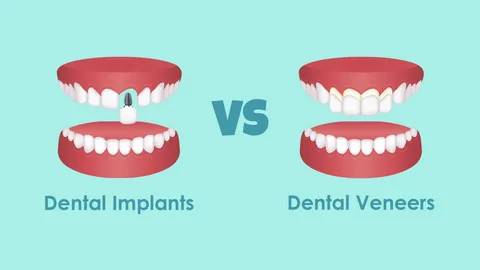
Dental implants are intended to replace natural teeth that have been lost or extracted. So, it may seem counterintuitive that the devices can actually protect natural teeth at the same time.
In reality, they can. Dental implants do a much better job of preserving neighboring biological teeth than other tooth replacement alternatives, which are primarily designed to address cosmetic rather than structural concerns.
Dallas patients quickly discover that dental implants have minimal impact on the teeth adjacent to the implant site. A fixed permanent bridge requires healthy enamel of adjoining teeth to be shaved down to accommodate crowns that hold the replacement tooth in place. Dental implants, on the other hand, anchor a prosthetic tooth with no involvement of the remaining teeth.
Furthermore, dental implants offer a layer of protection against the jawbone atrophy that plagues patients when the roots of the natural teeth are absent. In placing dental implants, Dr. John M. Hucklebridge, your implant dentist serving Dallas TX, is essentially replicating the roots of missing teeth.
In this way, dental implants help to stabilize the jaw. When missing teeth’s roots are not replaced and the jawbone is allowed to erode, that process can jeopardize the other teeth, putting the patient at risk for losing more teeth.
The structure of dental implants maintains the tooth’s chewing function, meaning that it absorbs the same forces as a natural tooth would. Those forces continue to be distributed proportionately among all of the teeth, rather than putting extra pressure on a few of them, further safeguarding a patient’s natural teeth.
Because dental implants fit into the smile like natural teeth, they can be maintained in the same fashion. There’s no need to mess with extra equipment to floss, and it’s easier to keep those replacement teeth clean and clear of bacteria that can cause periodontal disease and tooth decay.
If you’ve already lost one tooth and hope to avoid further damage to the others, ask Dr. Hucklebridge about dental implants. They may be the right solution in your case.
Many patients have turned to dental implants to replace missing teeth, and with good reason. Implants outperform other methods aesthetically and structurally, and they require no more maintenance than any other tooth in the mouth.
Before placing dental implants, however, the implant dentist must be sure that the patient is an appropriate candidate and that all conditions necessary for the implant’s success are met.
When certain conditions are present in the mouth, additional treatment may be needed prior to implant placement. In particular, receding gums, which occur when the tissue moves toward the tooth’s root, may be cause for concern to your Plano implant dentist.
At a certain point, the gums will recede so much that the underlying bone begins to show through. In these cases, the titanium screw that is the dental implant may be visible, too, undermining the goal of a tooth replacement method that results in a re-creation of the natural tooth.
Additionally, gum recession can eventually lead to bone loss when left untreated. This could cause implant failure.
Fortunately, receding gums can be treated. A surgical procedure commonly known as a gum graft can correct this condition. In performing a gum graft, the oral surgeon removes a piece of soft tissue from the roof of the mouth and transplants it into the site of recession. Abnormally thin gums may also need to be grafted to ensure that the implant is not visible through the gum, even if the gum line is in the proper position.
If you’ve had an intervention to reverse gum recession, it’s important to take steps to prevent the condition from recurring after the implants have been placed. Maintain a good oral hygiene routine, keep your semiannual dentist appointments and quit smoking to increase your chances of implant success.
Patients who have noticed that their gums are receding should inform the implant dentist in advance of implant placement to determine the best course of action.
For more information and to schedule a consultation, please contact Plano Smile Studio at 972-398-2550.
Over the last four decades, dental technology has seen tremendous growth. The dental community’s passion for restoring your teeth, health, and self-confidence has given way to new solutions for many common conditions.
Tooth loss and the introduction of dental implants may be the best example of these advancements. In most cases, dental implants have surpassed traditional dentures, bridges, and partials as the recommended method of tooth replacement. Your dentist may recommend dental implants in Plano if you are missing one or more natural teeth and are healthy enough to undergo minimally invasive surgery.
For patients who missing all of the upper or lower teeth, or those patients who are unhappy with their existing denture, adding dental implants can be life-changing.
Your implant dentist may recommend using dental implants to stabilize your denture and preserve your bone structure. By anchoring your denture to the jaw bone, a stable foundation for biting, chewing, and speaking can be achieved. This new foundation is strong enough to endure the forces of chewing without the risk of irritation to the soft tissues of the gums. Patients who choose the implant-retained denture also enjoy the relief of knowing that there is never a need for denture glues and adhesives. The denture will never slip out of place or shift uncomfortably.
Bone loss, the unfortunate side effect of tooth loss, can also be addressed with the addition of dental implants. Since traditional dentures are designed to rest on top of the gum tissue, the underlying bone does not receive the appropriate stimulation and the bone begins to deteriorate. This deterioration affects the fit of the denture as well as the shape of the face and mouth. Dental implants are designed to actually bond, or integrate, with the bone. This relationship provides the stimulation necessary to prevent future bone loss.
Using dental implants to retain dentures has increased the level of comfort and satisfaction for millions of patients with missing teeth. If you are no longer satisfied with the limitations of traditional dentures, schedule your consultation with Dr. John M. Hucklebridge to discuss the beauty of implant-retained dentures today.
Understanding the source of your stained or discolored teeth can be the key to achieving the brighter, whiter smile that you deserve. Some types of staining can occur on the surface of the enamel (referred to as extrinsic stain) and can be polished away during your routine dental visit. Stain that has penetrated the enamel or stain that occurs from the inside of the tooth (known as intrinsic) can be more difficult to remove without the assistance of yourcosmetic dentist in Plano TX.
The most common cause of intrinsic tooth discoloration is exposure to the antibiotic tetracycline during tooth development. Children who were exposed to the antibiotic tetracycline while the permanent teeth were developing can typically be identified by the appearance of bluish-gray tinted enamel.
Another common cause of intrinsic tooth discoloration is trauma or injury. When the nerve of the tooth is damaged as a result of an injury, the shade of the tooth can often become dark gray or brown. This type of injury may not result in tooth loss, but the resulting shade of the tooth is generally a source of concern for most patients.
Fortunately, there are a variety of options for improving the appearance of intrinsically stained teeth. your cosmetic dentist may recommend teeth whitening as a conservative solution. Using a concentrated, professional-strength whitening solution, enamel can be lightened to a more natural shade. Professional whitening allows your cosmetic dentist to focus the whitening efforts on the affected teeth to achieve the most natural results. Teeth whitening is safe and effective, bleaching away the impurities that cause discoloration, while preserving the integrity of the enamel.
To address tooth discoloration that is difficult or impossible to remove, your cosmetic dentist may suggest porcelain veneers. Veneers are a beautiful solution for concealing stain that could not otherwise be removed. Following a minimal amount of preparation, the veneers are permanently bonded to the front surfaces of the front teeth, and shaded to blend naturally with the adjacent teeth. Since veneers are customized for each patient, they present the opportunity to change other esthetic details such as the shape, size, and position of the affected teeth.
To learn more about how cosmetic dental solutions can be used to improve the appearance of your smile, call Plano Smile Studio for your appointment today.
Dry mouth may be one of the most under-diagnosed dental conditions in modern dentistry. Technically termed “Xerostomia”, many dry mouth sufferers may not realize the extent of their condition or the possible damage that may occur as a result of the condition.
By discussing your daily homecare habits with Dr. John M. Hucklebridge, your Plano TX dentist, it is possible to identify the condition and seek the appropriate treatment.
Dry mouth, or xerostomia, is a decrease in the average amount of saliva present in the mouth. Saliva is the body’s natural defense against the acids that cause tooth decay. When the mouth is exceptionally dry, the increased risk for tooth decay can be significant.
Patients who notice that the mouth tends to be dry may find themselves frequently reaching for a drink during the day, waking up for a drink during the night, or sucking on mints and candies constantly. These patients may also notice that the gums tend to be inflamed, leading to bleeding during brushing and flossing.
Some common causes of dry mouth include:
Medications. Allergy medications, sleeping aids, pain relievers and other medications can cause a significant degree of xerostomia. Hundreds of these medications list dry mouth as a possible side effect, and millions of patients require these medications on a long-term basis.
Mouthbreathing. Sleeping with the mouth open or snoring can lead to severe irritation of the soft tissues of the mouth. Your dentist may detect inflammation, bleeding, or redness of the gum tissue surrounding the front teeth as an indicator to your condition.
Health conditions. Sjogren’s syndrome, diabetes, and Parkinson’s disease are among a number of health conditions known to contribute to dry mouth symptoms.
Cancer treatments. Radiation therapy to the head or neck and chemotherapy can severely affect the availability of saliva. These treatments can cause damage to the salivary glands, decreasing the quality and quantity of the saliva.
After identifying xerostomia, your dentist may advise you to drink as much water as possible, while avoiding juices, soft drinks, and candy. More frequent brushing and flossing may be helpful, as well as prescription and over the counter saliva substitutes.
For your health, don’t ignore your dry mouth symptoms. To learn more about xerostomia, call the office of Dr. Hucklebridge at 972-398-2550 and schedule your appointment today.
Most patients want to replace a missing tooth because they’re concerned about an absent tooth’s aesthetic impact on the smile. However, it’s just as important to replace the missing tooth’s root as well. Always consult with an implant dentist when exploring tooth replacement options.
Dental implants can achieve this goal. The small screw-like structure that forms the base of the implant helps to stabilize the jaw in the same way that a biological tooth’s root does.
Because the jawbone wears away when no root is present to serve as an anchor, Dr. John M. Hucklebridge, an implant dentist in Plano, can help to prevent the erosion by placing implants. Other tooth replacement alternatives, such as bridges or dentures, don’t replicate the entire structure of the missing tooth. Therefore, those other methods allow the jawbone resorption to continue unabated, eventually changing the bone’s shape.
This erosion of the jawbone can have a wide variety of effects. Other teeth in the mouth can be compromised and lost as the bone continues to disappear. If all of the teeth are extracted, jawbone resorption can cause pinching of the mouth, resulting in an aged appearance. As the jawbone shrinks, it can affect the patient’s speech and require dietary adjustments, as well.
People who have already experienced significant bone loss resulting from missing teeth may think that they are not candidates for dental implants, but that is not the case. Certain techniques can help an implant dentist to maximize available bone for implant placement, or bone graft procedures can be used to supplement the jaw bone enough to support the implants.
Additionally, if your bone loss is due to advanced gum disease, you will need to address this issue before the dental implants can be placed. Untreated periodontal disease can still lead to bone loss, even if an implant has been placed, and continued bone loss can lead to implant failure.
Patients who need to replace missing teeth should seriously consider dental implants in Plano to stop jawbone atrophy in addition to improving the smile’s appearance.
You can partner with Dr. John M. Hucklebridge, your Plano TX dentist, to work toward maintaining optimal oral health. Develop a list of healthy dental habits that you can follow on a daily basis.
Many of the habits that keep your teeth healthy don’t even require a visit to the dentist. Your daily oral hygiene routine is an important step in maintaining the teeth.
Your dentist recommends that you brush your teeth at least twice every day. This helps to prevent plaque from collecting on the teeth and along the gumlines. However, it’s not enough merely to brush. You must be sure to use the proper technique and brush for a sufficient amount of time. Angle the brush toward the gumline and be sure to brush all of the tooth’s surfaces, in addition to the tongue. A thorough brushing typically takes 2-3 minutes. You may find it helpful to set up an egg-timer in your bathroom to get a sense for how long you should brush.
If you have the opportunity, you can brush at lunchtime, too. If not, you may choose to rinse your mouth to remove any lingering particles of food or you can chew sugarless gum to prompt your mouth’s natural cleaning process.
Flossing is another important piece of the dental puzzle. Flossing dislodges plaque and tartar from the tooth surfaces that can’t be reached with a brush alone, such as the spaces between the teeth. When flossing, take care to get in between all of the teeth and don’t skimp on the rearmost teeth. They need the flossing the most!
Even if you have dental appliances, such as fixed permanent bridges or braces, you must floss. In such cases, you may need to use a floss threader to get under the appliances.
Be sure to schedule check-ups and prophylaxis, or dental cleanings, with your dentist on a semi-annual basis. Your dentist can detect problems at these appointments, and a professional cleaning helps to eliminate any plaque or tartar buildup that occurs despite brushing and flossing.
If you have children in your household, get them started down the path to good oral health at an early age. Have them follow the same healthy habits that you do, and set a good example by following through on your dentist’s recommendations for your at-home regimen.
Symmetry is essential to a smile’s attractiveness. Even a single tooth that results in asymmetry can have a negative effect on the appearance.
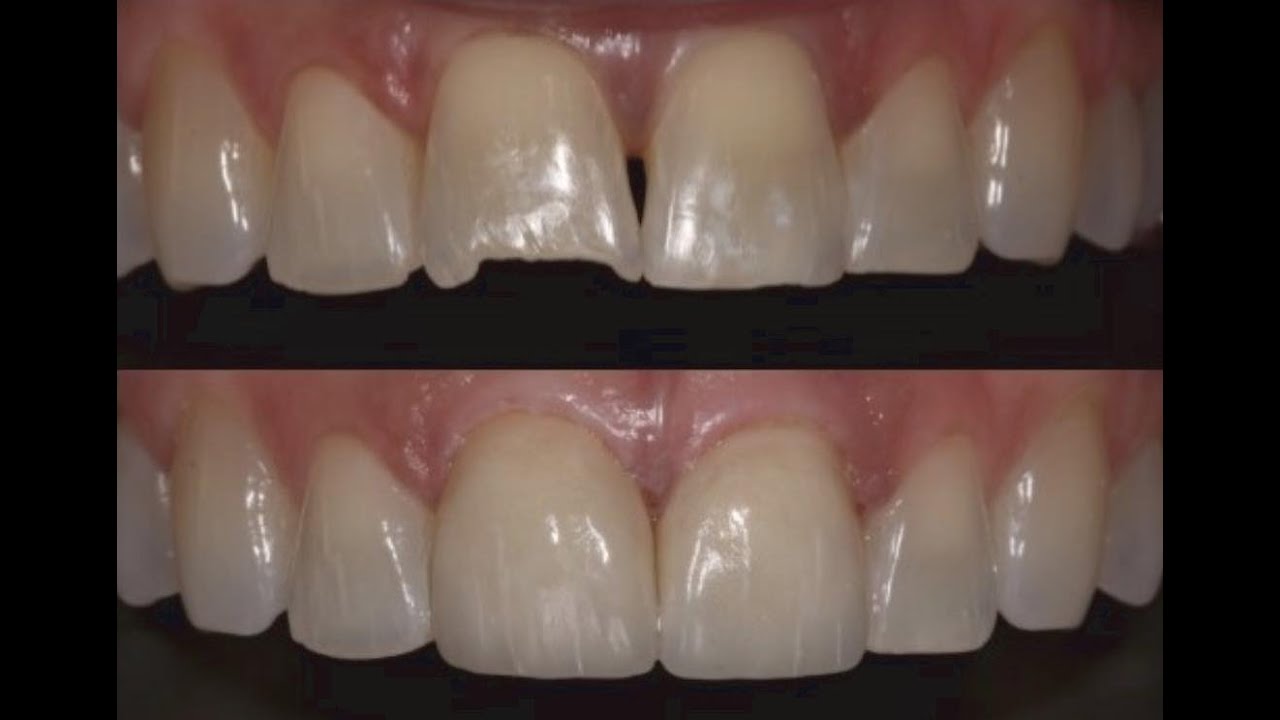
Do you have one oddly shaped or undersized tooth that detracts from the rest of your smile? Regardless of whether you have a tooth that was damaged by trauma or one with an unusual shape due to genetics, veneers can help improve the appearance of the tooth and, by extension, your entire smile.
Veneers are thin tooth-shaped shells made of porcelain or resin that are bonded to the top of the natural teeth. Dr. John M. Hucklebridge, your cosmetic Plano dentist, can place a veneer to extend or reshape a tooth so that it blends better with the rest of the teeth.
In many cases, a single misshapen or undersized tooth is the main problem, but in other cases, several teeth may have unusual shapes. Fortunately, a cosmetic dentist can use veneers on as many teeth as necessary.
Veneers are placed in a two-step process. At the first appointment, the dentist removes a thin layer of enamel from the tooth to accommodate the veneer. The cosmetic dentist will also take impressions of the tooth that will be sent to the dental laboratory tasked with constructing the veneer.
Approximately 1-2 weeks after the initial appointment, the veneers will be ready for placement. The cosmetic dentist makes any additional necessary adjustments to the veneer’s shade and shape and then bonds the veneer to the tooth.
Adult patients whose teeth have been recently altered in shape should have a dentist look into the cause. Patients who grind their teeth, a condition known as bruxism, will need additional interventions to protect their veneers as well as their natural teeth. These patients will need to wear a custom-crafted mouthguard at night to reduce the damage brought on by bruxism.
Cosmetic dentists may also use other techniques, such as crowns, bonding or onlays to correct a misshapen tooth. If a misshapen tooth has been a drag on your smile and your self-confidence, contact Plano Smile Studio at 972-398-2550 to see what solutions may be available and appropriate in your case.
For many people, root canals are synonymous with pain, so a number of Plano patients choose sedation dentistry as a way to manage their anxiety around the procedure.
Although root canals do have a bad reputation, much of the hype is unfounded. In fact, many patients report that root canals bring on no more discomfort than a typical cavity filling. Nonetheless, the nervous anticipation associated with the procedure can be intimidating. In such cases, patients are wise to consider sedation dentistry to help them get the care that they need.
When a patient opts for sedation dentistry, the dentist administers a sedative prior to the beginning of the procedure. This sedative, which can be delivered intravenously or in pill form, helps the patient to achieve a state of deep relaxation while remaining conscious and able to respond to the dentist’s commands.
In addition to the sedative, the dentist will apply a local anesthetic in the vicinity of the tooth targeted for the root canal. After the sedation and anesthetic have taken effect, the dentist will begin the root canal procedure, which involves removing the infected pulp and nerve core from the inner tooth and replacing it with an inert rubber compound. In most cases, a crown is also placed on the tooth to stabilize it further. Patients can choose sedation dentistry for that treatment as well.
Patients who take advantage of sedation dentistry also have no recollection of the procedure, which is another benefit of this technique.
Additionally, if you have a particularly complex case, sedation dentistry may help your dentist perform the root canal in just one appointment. With sedation dentistry, the patient can tolerate longer procedures.
If your dentist has indicated that a root canal is necessary to treat advanced decay or nerve damage in your case, it’s important to have that procedure in order to save the tooth. Don’t let your fear keep you out of the dentist’s chair. Contact Plano Smile Studio at 972-398-2550 to see if sedation dentistry is the right choice for you.
The decision to choose dental implants in Plano to replace missing teeth is certainly the best decision to improve your personal comfort and health. Dental implants are designed to be a long-term or permanent solution for missing teeth. They are strong enough to withstand normal eating and biting. Where esthetics is a concern, implants are beautiful and natural-looking, almost impossible to distinguish from your own teeth.
An important part of your decision to pursue dental implants is a comprehensive evaluation by your implant dentist and a thorough understanding of the procedure from the patient’s perspective. This includes understanding what to expect in the days, months, and years following treatment.
Since the dental implant procedure is typically performed in stages, you should expect at least two healing phases as well. Initially, when the implant is placed, it will be covered and protected by your gum tissue to promote healing. This healing period may last between four and six months, depending on your implant dentist’s recommendation. During this time, you may experience mild tenderness at the implant site, generally relieved by soothing mouth rinses and mild pain relievers, if necessary. For your comfort, you may also be instructed to consume a softer diet immediately following treatment.
When the initial healing phase is complete, your implant will be uncovered and a permanent restoration such as a crown or bridge will be attached. Again, following this second phase, you may experience mild sensitivity as your gum tissue heals. During this period, your diligent brushing and flossing will be essential to a speedy recovery.
When your gum tissue is fully healed and you are comfortable chewing on your new tooth, your main focus should be keeping your teeth clean and free of plaque accumulation. Just like your natural teeth, your implant is susceptible to the bacteria that cause periodontal disease, so proper homecare is your best defense against infection.
A key advantage of the dental implant is its ability to function as a natural tooth. As a result, outside of minimal tenderness during the healing phases, you can expect to care for your implant just as you would a natural tooth. For an informative consultation regarding dental implants in Plano, TX, contact the office of Dr. John M. Hucklebridge at 972-398-2550 to schedule your appointment today.
If you haven’t been paying a visit to your Plano dentist at least every six months, you should be. Semiannual professional cleanings are essential to maintaining your oral health and they’ll keep your teeth looking their best.
You may think that regular brushing and flossing are sufficient to keep your mouth clean and healthy, but that’s not the case. Over time, a sticky film called plaque builds up on your teeth, regardless of how often you brush and floss. Eventually, the plaque hardens into a substance called tartar or calculus, which can only be removed through a professional cleaning.
Plaque and tartar contain harmful bacteria that promote tooth decay and gum disease. When left untreated, those conditions can lead to the loss of teeth and gums. Regular professional cleanings with your dentist help to combat that bacteria and prevent the problems it can cause.
When your teeth are cleaned at a dentist appointment, the hygienist uses special tools to remove plaque and tartar from the teeth. These tools help the hygienist to clean the teeth more thoroughly than brushing alone can. The hygienist also has better access to the hard-to-reach spots in the mouth, which might not get the attention they need from routine daily brushing.
The regular checkups that take place at the same time as professional cleanings also give the dentist an opportunity to identify any concerns, such as cavities and even oral cancer. When these issues are spotted earlier, it’s easier for the dentist to treat them. In the case of oral cancer, early diagnosis may be a lifesaving outcome.
For a relatively small group of patients, even semiannual cleanings may be insufficient to keep plaque at bay. Certain genetic and environmental factors may cause plaque to build up more quickly in some patients, who may need to visit the dentist every three or four months to keep their mouths adequately clean.
Your home oral hygiene routine can complement the professional cleaning process. If you are diligent about brushing and flossing, your professional cleanings are likely to take less time because there should not be a large amount of tartar to remove from the teeth.
Please contact Plano Smile Studio at 972-398-2550 to schedule your next dental exam and professional cleaning.
Making the decision to replace missing teeth isn’t always easy. You must consider factors such as your health, your finances, as well as the advantages and disadvantages of each option. Fortunately, Dr. John M. Hucklebridge, a Plano implant dentist, can help to guide and advise you on the best available tooth replacement solution: dental implants.
Though dental implants have received much recognition for being the most natural and most conservative solution, the procedure still requires prior planning, open communication, and a highly motivated patient. Prior to beginning the implant procedure, your implant dentist will want to ensure that you are healthy enough to undergo surgery and motivated enough to see it to completion.
The dental implant procedure is generally a process which involves multiple phases as well as a predetermined amount of healing time between phases.
After an implant consultation and a review of your medical and dental histories, the implant procedure can begin. The initial phase of the process involves the placement of a titanium cylinder which is inserted into the bone at the site of the missing tooth. The titanium implant is specially coated to promote a strong bond between the implant and your bone. After placement, the implant is covered and protected with the surrounding gum tissue for a specified healing period.
After an average 4-6 month healing time, the implant is uncovered and a healing cap is placed. The healing cap is generally used to allow the gum tissue to heal properly around the newly exposed implant. Again, a short healing period is recommended to ensure that the gums are firm and healthy.
When your implant dentist has determined that the implant is well-accepted by the body and the gum tissue looks natural and healthy, the final phase of the process can begin. Your implant will be restored with a crown, bridge, or attached to a denture or partial. By anchoring the implant to your bone, your new restoration is more stable and more esthetically pleasing than any other tooth replacement alternative.
If you are considering your options for replacing a missing tooth, it’s time to schedule your dental implant consultation. Call 972-398-2550 for yours today.
What do you see when you look at your smile? When we glance at pictures and video of ourselves, there are certain aspects of our smiles that seem to jump out right away. Often, the factors that we notice in our smiles are the very factors that can lead to feelings of self-consciousness and decreased self-esteem.
It’s nice to know, however, that cosmetic dentistry is an effective way to correct even the most minor imperfections. After all, if you are not satisfied with your smile, you tend to smile less often.
Dr. John M. Hucklebridge, your cosmetic dentist serving Plano, can be a terrific resource and partner as you explore the options for improving your smile. For instance, if spaces between the teeth are a concern, you may want to consider porcelain veneers.
Spaces between the teeth, known as diastemas, can result in undesirable consequences, both cosmetic and functional. You may notice gaps or spaces between the teeth tend to appear as black triangles in pictures or from a distance. Spaces between the teeth can also create food traps between the teeth, magnets for stringy foods and leafy vegetables.
Porcelain veneers are an effective solution for many cosmetic concerns regarding the front teeth. Due to their versatility and ease of application, many patients find that they can correct multiple issues at one time using veneers. Veneers can be used to close spaces between the teeth, reshape the teeth to promote symmetry, conceal discolorations, and reduce the appearance of crowding.
By minimally preparing the enamel on the front surfaces of the front teeth, your cosmetic dentist begins the initial phase of the veneer procedure. The veneers are custom-designed according to your dentist’s specifications, and permanently bonded to your teeth. These impressively strong porcelain shells are designed to look natural and feel comfortable. They can be shaded to match your existing enamel or lightened to produce a fresher, whiter smile.
If the spaces between your teeth are creating a distraction or preventing you from smiling with confidence, talk to Dr. Hucklebridge about veneers. Call 972-398-2550 for your appointment today.
Receding gums are a very common and often overlooked occurrence for many adults. As an important part of your periodic exam with your Plano dentist, your gums will be evaluated for signs of disease, including recession.
When the gums pull away from the teeth and the roots of the teeth are exposed, the condition is termed recession. In a healthy mouth, the gums are firmly situated at the necks of the teeth where the enamel ends. The porous and delicate root surface begins at this junction, typically protected by the gum tissue. Where recession has been identified, the roots of the teeth are not covered and protected. The results are increased tooth sensitivity, discoloration, increased risk for cavities, and loss of support for the teeth.
Recession can be caused by any number and combination of factors. Gum disease or periodontal disease, abrasive or aggressive brushing, clenching, grinding, and orthodontic treatment can certainly contribute to recession. Your dentist and staff are trained to identify signs of recession as well as determine the appropriate treatment options.
Lifestyle and mechanical modifications: Toothbrush abrasion can lead to recession and can be curbed by using a soft toothbrush and gentle pressure. It is important to avoiding aggressive back-and-forth “sawing” motions which can permanently damage the gums. Chronic clenching and grinding can cause the gums to pull away from the teeth. If this habit is involuntary, your dentist may prescribe a protective mouth guard for daily use.
Periodontal therapy: Addressing periodontal disease with professional treatment can eliminate the toxins that contribute to recession. Where recession has advanced, your dentist may recommend a surgical procedure designed to graft or reattach the gum tissue.
Palliative treatment: When gum recession occurs, there is no chance that they will grow back or repair themselves. Even when the cause of irritation has been removed or corrected, many patients are left to deal with exposed roots and sensitive teeth. Your dentist may recommend desensitizing toothpastes, mouth rinses, professional fluoride treatments, and ultra-soft toothbrushes for your comfort. This method of treating the symptoms in order to provide relief is known as palliative care.
The causes of gingival recession can be numerous and sometimes unclear. If recession is a concern for you, call Plano Smile Studio to reserve your appointment today.
Although tooth sensitivity can be a problematic and uncomfortable condition, it can generally be eliminated or controlled by determining the root cause of the sensitivity.
Ideally, the tooth enamel covers and protects the portion of the tooth above the gum line. The gum tissue covers and protects the roots of the teeth. When recession occurs, the gums pull away from the tooth root, exposing a surface that is softer than the enamel. Microscopically, the root surface is composed of tiny openings, called tubules, similar to a honeycomb. When exposed to stimuli such as temperature, pressure, sweets, or acids, these tubules transmit the sensation directly to the nerve of the tooth.
If you have suffered from this sensation on one or more occasions, speak to Dr. John M. Hucklebridge, your Plano dentist, about possible solutions for tooth sensitivity.
When tooth sensitivity is mild or inconsistent, you may find relief in using toothpaste that is specially formulated for sensitive teeth. When used consistently, the active ingredients in these pastes can occlude, or plug the openings in the tubules to prevent the transfer of the stimuli to the nerve. It is also helpful to avoid strong or abrasive toothpastes such as whitening pastes.
Another effective solution for managing sensitive teeth is fluoride. Although fluoride is used in municipal water supplies, fluoridated toothpastes, and anti-cavity mouth rinses to prevent decay, it can also plug dentinal tubules to prevent sensitivity. Ask about the highly concentrated fluoride treatments available at your dentist’s office.
In severe cases, when sensitivity interferes with your normal eating or drinking habits, your dentist may suggest a simple surgical procedure to replace the receding gum tissue. When recession has occurred, it is not possible for the gums to grow back or repair themselves. This procedure, known as gingival grafting, utilizes natural or synthetic gum tissue to cover the root surface.
It can be comforting to know that tooth sensitivity can be controlled and eliminated with proper treatment. Schedule your next dental visit, and ask Dr. Hucklebridge about the treatment that is best for you.
No matter what your cosmetic concerns may be, with today’s dental technology, there is a wide range of solutions for you. There are many advantages to improving your smile. Many patients feel that their confidence increases when they are able to display a smile that is healthy and appealing. It’s nice to know that you can cultivate a smile that reflects your real personality using the tools that your cosmetic dentist recommends.
Whether you are searching for a Plano whitening dentist, porcelain veneers, or dental implants, the smile that you are seeking is within your reach. It is often helpful to become familiar with some of the more commonly utilized cosmetic dental procedures, followed by a consultation with your dentist.
For a brighter, whiter smile, Zoom! teeth whitening is one of the safest and most effective whitening systems available. With the advantage of Zoom! technology, you can achieve a smile that is up to eight shades whiter in under an hour. Since no whitening method is permanent, you will also be provided with a professional strength whitening solution and a custom-fitted mouthpiece for periodic touch-ups at home.
Porcelain veneers are a fantastic way to improve multiple aspects of your smile at once. Thin, custom designed shells of porcelain are permanently bonded to the front teeth to create symmetry and beauty. Veneers can be used to conceal chipped or stained bonding, close spaces between the teeth, and even make teeth appear straighter. In addition, to shape and style, veneers can be fabricated in a new, whiter shade if you desire a brighter smile.
Sometimes, the key to a great smile is a full set of teeth. When teeth are missing, the gaps or spaces can create a distraction in your smile. Missing teeth can also cause the neighboring teeth to move out of position, contributing to crowding and poor alignment. Dental implants can permanently replace missing teeth with practically no impact on the surrounding teeth. The implant functions just like a natural tooth, with less maintenance and more stability than dentures or bridges.
Talk to Dr. John M. Hucklebridge, your teeth whitening dentist serving Plano TX, about the many options available to reveal your inner smile.
Ask any implant dentist: the major appeal of the dental implant as a tooth replacement option is its versatility. Implants are used to replace single teeth, multiple teeth, or even an entire arch. Implants can be used to create a fixed bridge or to stabilize removable partials and dentures.
For denture wearers, your Plano implant dentist will tell you that implants are a perfect option for edentulous patients. Implants can completely transform your denture experience by anchoring your denture to the jaw bone.
In any instance where a natural tooth is missing, there is the inevitable issue of bone loss. For patients who are missing all of the upper or lower teeth, the concern about bone loss multiplies exponentially. Typically, when a denture is created, it is designed to fit the shape and contour of the gums and bone. Over time, as the gums grow softer and bone loss occurs, the denture no longer fits. Although bone loss is a natural occurrence where there are missing teeth, living with an ill-fitting denture is anything but natural.
As the structures of the mouth begin to change shape and size, denture wearers are faced with slipping, sliding dentures that rub the soft tissue of the mouth. The resulting irritation can deter some patients from smiling, speaking and even eating comfortably.
Like natural teeth, implants are directly anchored to the jaw bone, effectively stopping bone loss. By preserving the bone, there is no risk that the implant will move or shift. Your implant dentist can then fabricate a denture that firmly attaches to the implant. According to your needs, the implants and denture can be designed in a variety of ways.
With the predictability, longevity, and versatility of dental implants, it’s no surprise that implant dentists have been able to use the procedure to improve the function and fit of ill-fitting dentures. It is unfortunate whenever a tooth is lost and devastating when all of the teeth are missing. By combining implants and dentures, edentulous patients can look forward to the comfort and security of a full set of teeth.
If you are a denture wearer who is curious about dental implants in Plano, call 972-398-2550 for your appointment today.
When the overall appearance of the teeth is a primary concern, porcelain veneers have proven to be the ideal cosmetic solution in many instances. Porcelain veneers are an effective means to address a variety of concerns for men and women. Because our self-image and self-confidence are so closely impacted by our smiles, the ability to conceal and correct imperfections can also improve our lives.
When the natural teeth appear discolored, worn, chipped or fractured, porcelain veneers are an extremely conservative cosmetic solution. Veneers are also effective when the teeth are not properly aligned, or when they are not uniformly shaped. The size of the teeth can also impact the overall appeal of your smile. With veneers, your cosmetic dentist can reshape and resize the teeth to more accurately reflect your age, gender, and physical stature.
In essence, by utilizing an ultra-thin porcelain shell, your cosmetic dentist can design teeth that look as beautiful and as natural as you desire. Often, patients who have considered whitening, orthodontics, bonding, and other cosmetic treatments have found that veneers can address multiple concerns at once. For instance, stained or fractured bonding material can be concealed by a brighter, whiter veneer. Veneers can be used to eliminate spaces between the teeth. Teeth that are crowded or overlapping can be designed to appear straighter.
Although the porcelain is amazingly thin, its durability and strength are impressive. Your cosmetic dentist will make minor adjustments to your natural teeth in preparation for the veneer. After the adjustments are complete, detailed measurements and impressions of the teeth are obtained. These records, along with your dentist’s specifications, will provide the blueprint for the laboratory technician who will create your veneers. When the veneers are complete, your cosmetic dentist will use the very highest quality bonding adhesive to attach the veneer securely to the front surfaces of your teeth.
Porcelain veneers are a permanent solution designed to improve a variety of concerns regarding your smile. In pictures or in real life, no one will notice your new dental work, but they’ll be certain to notice your beautiful smile. If you are seeking to improve your smile’s appearance, contact our Plano veneers dentist to schedule a consultation.
To date, more than 800,000 orthodontic patients have been treated with the Invisalign procedure. By now, you may have heard about the many benefits of this state-of-the-art orthodontic technology. The fact that the clear, removable aligners are virtually invisible and surprisingly comfortable is certainly intriguing. The possibility of achieving beautifully aligned teeth without the use of traditional wires and brackets is appealing. The ability to enjoy and unrestricted diet and brush and floss normally throughout the treatment can be liberating. The thought of fewer, shorter office visits can translate into fewer interruptions in your busy lifestyle.
With all of the advantages and benefits noted, you may still wonder if Invisalign is the right choice for your unique needs. No two patients have the same orthodontic needs, but the success of the Invisalign procedure can be attributed to its ability to address a broad range of needs:
Overbite/Deep bite (with the teeth closed together, the top teeth covers more than about a third of the bottom teeth)
Under bite (with the teeth together, the top and bottom teeth fit end-to-end)
Overjet (with the teeth together, the top teeth stick out much farther than the bottom teeth)
Crossbite (with the teeth together, the bottom teeth overlap or stick out farther than the top teeth)
Open bite (with the teeth together, the top and bottom teeth do not meet at all)
Spacing/crowding (the teeth do not touch the adjacent or neighboring teeth, or the teeth are tightly compacted together)
The Invisalign procedure is a welcome alternative to traditional braces. Most patients are able to achieve the same results, often with less treatment time. Each aligner is worn for approximately two weeks, and gradual, comfortable tooth movement can be noted throughout the process.
The best way to determine the ways that Invisalign can improve your smile is to plan a visit to our Invisalign Plano dentist. If you have wondered if Invisalign is right for you, don’t waste another moment, call 972-398-2550 to schedule your appointment today!
Though it may sound cliché, the best treatment for periodontal disease is prevention. Periodontal disease is an infection that causes such destruction to the gums and bone, the immune system cannot repair it. Once you have been diagnosed with periodontal disease, although your damaged bone and gums will not return, you can take steps to prevent the destruction form progressing.
When the bacterial plaque in our mouths is not removed by frequent brushing and flossing, it tends to harden into a roughly textured deposit called calculus or tarter. This hard deposit cannot be removed by brushing and flossing, quickly spreading along the surfaces of the teeth and below the gum line. As the bacteria continue to colonize at and below the gum line, they produce a toxic byproduct that causes inflammation of the gum tissue and eventual bone loss.
Once bone loss has occurred, the condition is determined to be an infectious disease. The onset of the disease is sometimes marked by symptoms such as bad breath, red or bleeding gums, or extreme sensitivity. At this stage, brushing and flossing at home will no longer be effective. For the earliest detection, routine dental exams are recommended, since it is possible for periodontal disease to progress without the presence of the painful or visible symptoms.
For a successful outcome, your efforts at home are just as important as the care you receive in the dental office. Your dentist may recommend a type of deep cleaning called scaling and root planing, followed by a course of antibiotics, if necessary. You will be instructed to brush and floss diligently at home, using a toothbrush, dental floss, and other plaque controlling tools where indicated.
Your chances of preventing periodontal disease can be improved by careful plaque control and routine dental treatment, but it is important to realize that even minimal plaque levels can trigger the disease in patients with compromised immune systems. This can be a result of stress, illness, or a systemic disease. If you feel that you may have periodontal disease, or would like to be proactive in preventing this disease, contact your Plano dentist, Dr. John M. Hucklebridge, today.
Sometimes, brighter, whiter teeth are all you need to bring out the best in your smile. Whiter teeth can rejuvenate the appearance of the teeth and improve your smile. A bright, healthy smile can certainly boost your self-image and self-confidence.
Foods, drinks, and natural aging can cause the teeth to appear stained or discolored. Regular exposure to coffee, tea, soda, and red wine can contribute to stained teeth. Certain medications and prescription mouth rinses can also stain the teeth. When diligent homecare practices, like brushing and flossing, fail to improve the shade of the teeth, your cosmetic dentist may recommend teeth whitening.
Professional teeth whitening is a well-recognized procedure in cosmetic dentistry. A form of peroxide, typically hydrogen peroxide, has been safely used for decades to treat the gums and other soft tissues in the mouth. The peroxide solution is also an active ingredient in professional whitening products. During the whitening process, the peroxide solution breaks down, allowing oxygen to enter the tooth. This bleaches discolored areas, but does not damage or change the structure of the enamel.
The teeth whitening procedures are effective on most discolored teeth. Although whitening is safe, and a variety of whitening products are available on-line and in drugstores, the degree of whiteness will vary from patient to patient. Deeply stained teeth, like those caused by antibiotics, are more difficult to whiten. Dental restorations, such as crowns, bridges, bonding, and veneers will not respond to whitening solutions. Occasionally, minor tooth sensitivity can occur during the whitening process. For the previously discussed reasons, it is best to consult your cosmetic dentist to ensure the best possible outcome.
After your whitening procedure, you can keep your smile looking great by following simple homecare instructions. Brush after consuming potentially staining foods and beverages, floss daily, and use the toothpaste product recommended by your dentist. Occasionally, it is safe to “touch up” your white smile by repeating the whitening procedure.
Dr. John M. Hucklebridge, a whitening dentist in Plano, can help you take your first steps toward looking good and feeling great. You’ll make a more memorable impression every time you smile. You deserve it!
For patients who are particularly nervous or anxious about dental treatment, sedation dentistry can be an effective option. With sedation, dental anxiety can be transformed into soothing, peaceful relaxation. Your sedation dentist has been specially trained to provide you with widely accepted and safe relaxation techniques, appropriate for both children and adults.
The advantages of sedation dentistry are well-documented. Commonly prescribed medications are used to calm patients and ease tension. Within minutes of administration, your stress will be transformed into a sensation of relaxation. Your depth of sedation can be adjusted easily to achieve your optimal level of relaxation.
These safe and highly effective methods have helped millions of people overcome their anxieties about dental treatment. Dental anxiety, also referred to as dental phobia, is a very real feeling of fear and stress that can prevent many patients from seeking necessary dental treatment. By failing to receive regular dental treatment, issues such as periodontal disease and cavities can progress into true dental emergencies. At this point, pain may be involved, and the level of anxiety is heightened.
Unaddressed dental diseases can also have an undesired impact on your overall health. When periodontal disease becomes advanced, diabetic patients may notice uncontrollable changes in the blood sugar levels. Chronic infections of the gums and teeth can also trigger an increase in the chances for coronary heart disease and stroke.
Prior to your dental appointment with sedation, it is important to discuss the elements that most often trigger your anxiety. For some patients, the thought of receiving unwelcome news at the dental appointment is a major deterrent. For other patients, the sounds, tastes and smells in the dental office may be frightening or distressing. Many patients can recall traumatizing past experiences in the dental office. The possibility of experiencing vulnerability, pain, or intimidation is powerful enough to discourage even the most rational adult patient.
Our sedation dentist in Plano is a skilled practitioner who understands that your dental needs can be addressed in a safe and comfortable manner. Don’t postpone your dental health concerns any longer. Why not schedule your visit today? It may be just the solution that you’ve been waiting for.
A beautiful smile is more than a set of shiny, white teeth. The components of a beautiful smile include teeth that are shaped proportionately to your face and to each other. When the teeth look as if they are too small, or the amount of visible gum tissue seems to outweigh the teeth, the smile can appear “gummy”.
Often, patients are unaware that there are cosmetic options when it comes to the gummy smile. Sometimes, the gums can cover the portion of the tooth meant to be visible in the mouth. The gums can grow excessively in response to certain medications, allergic reactions, or orthodontic treatment. This excess gum tissue can have a dramatic impact on the overall smile.
Ideally, the gum tissue should be firmly attached to the roots of the teeth, but not covering the enamel. Just at the neck, or cervix of the tooth, the gum line begins and the tooth or clinical crown is visible. The junction where the roots of the teeth end and the clinical crown begins can be identified by the presence of enamel. When the smile appears gummy, often the gum tissue has concealed a portion of the clinical crown, or the enamel.
The goal of the cosmetic dentist is to address not only the teeth, but the structures around the teeth to create the most symmetrical and balanced smile possible. Tissue re-sculpting is an accepted method of achieving a harmonious smile. The dentist will determine the amount of tooth structure that should be visible, and then reshape the gum tissue to reveal the hidden surface area.
Tissue re-sculpting can be utilized to treat single teeth or multiple teeth. The procedure is useful in treating a variety of concerns:
Excessive, or gummy smiles (too much gum tissue, not enough tooth structure)
Short, or square teeth (by revealing more enamel, teeth appear proportionately longer)
Dr. John M. Hucklebridge, your cosmetic dentist in Plano, is specially trained to evaluate your entire smile, not just the teeth. Tissue re-sculpting can instantly add symmetry and harmony to your smile. If you have noticed that your smile seems exceptionally “gummy”, schedule an appointment to discuss your cosmetic options today.
Your smile contributes to a major part of your personality. When you feel that your smile is not ideal, it can really hold you back from enjoying life. You will find that laughing and smiling are not pleasurable, and your self-esteem eventually suffers.
There are many roadblocks that can prevent you from seeking the cosmetic treatment that you desire. Financial concerns and busy lifestyles may lead you to place your cosmetic needs on the back burner. In addition to these obstacles, fear and anxiety may very well be the most common roadblocks on the path to obtaining the smile of your dreams.
Dental anxiety, or dental phobia, is a reality for many patients. A heightened physical and emotional response to various factors associated with dental offices and staff can deter patients who would otherwise seek care. The fear of possible discomfort, fear of dentists in “white coats”, an aversion to the sounds and smells of dentistry, or memories of previous traumatic experiences are all contributing factors.
Fortunately, you no longer have to accept defeat in the battle against your anxiety. Times and technology have changed dramatically, pushing our skills to great heights. When you have made the decision to pursue cosmetic dentistry, we can apply those same skills and techniques to help conquer your anxiety.
With the use of sedation, your cosmetic dentist can create a customized, beautiful smile as you enjoy a peaceful state of relaxation. For us, your comfort and peace of mind are just as important as the smile that we create. Within minutes of administration, your stress can be transformed into a feeling of soothing relaxation. Sedation dentistry is a safe and highly effective method of patient relaxation that has helped millions of people overcome their anxieties about dental treatment.
You should feel confident and excited about treating yourself to cosmetic dental procedures. Allowing yourself to feel relaxed and safe during your treatment can only enhance your overall experience and lead to a beautiful, natural result. Don’t hesitate to discuss the possibility of sedation with your cosmetic dentist in Plano today.
If you are missing all of your upper or lower teeth and have struggled with the fit and function of traditional dentures, you may want to consider implants as an alternative. Not only can a full arch of artificial replacement teeth now be secured by dental implants, those implants can be placed in a single office visit.
In the past, patients who were missing an entire arch of teeth often had to undergo a bone graft to ensure that they had sufficient bone structure prior to having implants placed. The All-on-4 procedure improves upon past techniques, placing all of the implants near the front of the mouth, where the jaw bone recedes at a much slower rate. This strategy eliminates the need for bone grafts for most patients.
Advances in implant technology allow your implant dentist to identify the precise spot for placement of the small titanium posts, which means that the procedure can be completed more quickly and with a smaller incision. The dentist will use digital images of your mouth and bone structure in combination with three-dimensional planning software to determine the ideal locations for the implants.
Because the All-on-4 procedure is less intrusive and takes less time, patients recover more quickly. In fact, most patients are able to eat a light meal of softer foods later that evening.
All-on-4 dental implants are preferable to traditional dentures for a number of reasons. First and foremost, they’ll prevent further jaw bone resorption because the implant mimics the tooth’s root. The implant serves as sort of an anchor in the bone. Artificial teeth that are held in place by implants also are more secure, and their function replicates that of natural teeth. Patients can speak and eat with ease, without worrying that a slipping or sliding denture will lead to a major embarrassment.
If you are considering dental implants, consult with Dr. John M. Hucklebridge, a Plano implant dentist, to see if you are a candidate for the All-on-4 procedure.
Although they often play a background role in comparison to the teeth, the gums are just as important to the smile’s overall appearance. Gums that are asymmetrical or excessively prominent can have a negative effect on your smile no matter how straight your teeth are. Fortunately, problems with the gums can often be corrected through tissue re-sculpting, which is also sometimes called a “gum lift” or crown lengthening.
In a tissue re-sculpting procedure, your Plano dentist, Dr. John M. Hucklebridge, can reshape the gums through surgery to achieve a more balanced, symmetrical smile. If you feel that you reveal too much gum in your grin or that your teeth appear to be abnormally small, lifting the gums can address this concern, as well.
Tissue re-sculpting involves removing excess gum tissue in the area of the gumline. Typically this is done with lasers using a local anesthetic, which reduces the amount of time necessary to heal from the procedure. For some patients, it may also be necessary to remove a small amount of bone in the area to prevent the gum tissue from growing back.
Tissue re-sculpting can be performed on a single tooth or on a number of teeth. It just depends on your unique gum structure and what you hope to achieve through the procedure. You and your dentist will work together to plan the procedure based on your ideal outcomes.
If you are dissatisfied with the shape and pattern of your gumline, tissue re-sculpting may be that last missing piece that will give you the attractive smile that you desire. Talk with Dr. Hucklebridge to see if tissue re-sculpting might be valuable for you.
Long ago, your Grandfather’s dentist may have also been his barber. Though it seems funny, many people of that generation looked to dentists only when they were in pain, mainly to pull teeth. So, between shaving and haircuts, many local barbers became very efficient at pulling teeth.
Fast –forward to today’s generation: you no longer pay a dentist to simply fix problems; you actually pay dentists to prevent problems from occurring. This idea is better known as preventative dental care. Fortunately, the medical and dental communities have realized that the mouth is the gateway to the rest of the body. The treatment that you receive in the dental office prevents far more than just cavities and gum disease.
Let’s take a look at the health conditions that are impacted by preventable oral disease:
Bone loss/ tooth loss due to periodontal (gum) disease
Infection of prosthetic joints (hips, knees) due to periodontal disease
Heart attack and stroke (chronic inflammation from periodontal disease)
Dry mouth due to certain medications (increases the risk for cavities and sensitivity)
Weakened immune system (due to chronic infection)
Cavities (decay)
Halitosis (bad breath)
Increased blood sugar (Diabetes)
Pre-term or low-birth weight babies (pregnant women are seven times more likely to deliver babies that born too early or too small)
Considering the health conditions mentioned above, the importance of receiving regularly scheduled preventative dental care is beyond measure. Your dentist and staff will perform a thorough and professional oral evaluation, and then discuss strategies for preventing periodontal disease and decay. If you are managing pre-existing medical conditions, you can be educated about oral diseases affect your body. In some instances, early indicators of other disorders, like vitamin deficiencies and HIV/AIDS are seen in the mouth long before they are seen in the rest of the body.
Schedule a preventative appointment with your Plano dentist today. Take advantage of the information available. And, for your health and comfort, don’t wait until it hurts.
How confident are you about your smile? Have you ever wondered if your teeth are white enough? Would you like a whiter smile…today? Your smile says a lot about you, and it’s the first thing many people see when they meet you. A beautiful, white smile gives you confidence and even makes you look and feel younger.
Teeth whitening has always been a safe and effective cosmetic procedure. Fortunately, the whitening process has advanced dramatically in recent years. Today, you can expect to achieve your whitest, brightest smile with one simple visit to Dr. John M. Hucklebridge, your cosmetic dentist in Dallas. The Zoom! whitening system produces a high—quality, white smile and many other benefits to make it the best choice for your whitening needs.
Performed by a trained dental professional (receive a thorough evaluation prior to whitening to address periodontal disease and cavities that could affect your treatment outcome)
Safe and relaxing treatment (gums, lips, and face are protected from the whitening solution)
Less shade rebound (although no whitening method is permanent, you should expect to maintain your new, whiter shade longer than some other methods)
Low sensitivity (Zoom! Whitening solutions have been formulated to produce whiter, less sensitive teeth)
Whiter smile…today! (Display a smile suitable for pictures in as little as 45 minutes)
You deserve a smile that you’re proud of. Make an appointment for Zoom! Whitening, and have a brighter, whiter smile today. No need to deal with one-size fits all drugstore strips, and no fussing with removable bleach trays and solutions for two weeks. Zoom! provides the highest standard in whitening when it comes to better and faster results. Isn’t that enough to make you smile?
Dental phobia is a real and treatable condition. If you have had painful or frightening dental experiences in the past, they may have shaped your opinion of the care that you receive today. You may be very apprehensive about visiting the dentist. Interestingly, the fear of dental treatment exists on many levels. You may be afraid of feeling pain. You may feel claustrophobic when the doctor and assistants enter your “personal space”. Your distress may be linked to a strong gag reflex, which can be aggravated by strange instruments and materials in your mouth. You may simply have trouble allowing yourself to relax in the dental chair—especially if you lead a high paced and stressful life.
Whatever the underlying cause, you should not ignore your feelings. Nor should you allow yourself to be shamed into hiding your concerns. Today’s advancements in technology provide the tools necessary to overcome many obstacles, whether they are physical or emotional. When it comes to dental phobias, a well trained sedation dentist and staff can assist in relaxing as you receive the care that you need.
Dental sedatives have been used for many years to aid in pain control and relaxation. They are indeed a fantastic solution for the apprehensive patient, both child and adult.
Generally, sedation dentistry allows you to feel completely relaxed during your dental visit. You may feel as though you are asleep, and you should expect to experience little to no discomfort. Your dentist will closely monitor you, while performing your previously discussed treatment. From deep cleanings to crowns and bridges, all dental treatment can be completed while you are sedated.
Sedatives can be administered through various methods, according to the level of your anxiety and your medical history. For sedation dentistry in Plano, trust your dentist to customize your treatment plan and dosage in a safe and conservative manner. You owe it to yourself to seek the dental care that you need, and you deserve to receive that care in the safest and most comfortable setting available.
Mouthguards are essential for athletes, especially those involved in contact sports. Mouthguards help protect the teeth and tongue from injury, and can even prevent tooth loss.
A new generation of mouthguards provides even more advantages for the professional or amateur athlete. Under Armour Performance Mouthwear is one of these new types of mouthwear, which is becoming standard issue for many professional athletes.
These custom-made mouthguards not only provide protection, but also help keep the jaw in proper alignment. This helps athletic performance in several ways, including:
Keeps the air channel open for optimal breathing
Prevents teeth clenching or grinding
Keeps the temporomandibular joint properly aligned
Reduces stress in the mouth and jaw
Under Armour Performance Mouthwear is custom-made to fit your mouth exactly and to keep your jaw aligned. Your dentist makes impressions of your teeth and also analyzes your bite. This information is then used to create your one-of-a-kind mouthguard, constructed to fit your mouth and optimize your bite, TMJ alignment and breathing.
Maintaining this proper bite prevents stress in the mouth, which can lead to the production of stress hormones. By alleviating this stress, the mouthguard allows you to perform at your best. It also allows you to breathe freely and to play without fear of damaging your mouth and teeth during regular contact.
After about a year of use, your Under Armour Mouthwear should be evaluated for continued fit and usability to ensure you will continue to receive the benefits of the mouthguard in the new season of play.
For information about Under Armour Performance Mouthwear, please contact a Dallas area dentist who provides performance mouthwear for his patients.
Many things can make you self-conscious about your smile, but missing teeth is one of the most serious. Unfortunately, loss of teeth becomes more common as you get older. Teeth can be lost due to injury, gum disease, severe decay or other issues, including wear and tear.
Fortunately, many options are available to replace lost teeth, including bridges, dentures, and dental implants. Depending upon your personal preferences and needs, one of these options can give you a new, full set of teeth. Only dental implants, though, provide a permanent option that replaces not only the biting and chewing surfaces of the teeth, but also the tooth root.
Advantages of Dental Implants
One of the most commonly mentioned issues cited by denture wearers is comfort. Dentures must be carefully fitted, and then must be refitted and adjusted at regular intervals, in order to keep them from moving around in your mouth. When dentures shift in the mouth, they can cause discomfort, or might even move or fall out while you are trying to eat or speak.
Dental implants avoid all these issues because they are permanent and stationary. The visible part of your replacement tooth is affixed to a titanium fixture that takes the place of your natural tooth root. The implant dentist places this fixture directly into the jawbone, where it not only holds your new teeth in place, but also helps maintain the health of the bone in your jaw. Dental implants will not move around in your mouth and do not need to be removed for cleaning.
The Dental Implant Process
Placing dental implants typically occurs in two stages. First, the root portion of the implant is placed in the jawbone. The special properties of titanium allow it to integrate into the bone (grow) through a process called ossification. This can take several months. After the root portion of the Implant has integrated sufficiently, your implant dentist will place the prosthetic teeth, giving you a functional, healthy, permanent smile.
For more information about dental implants in Dallas, please contact our office to schedule a consultation.
Cosmetic dentistry can help correct a wide variety of issues with your teeth. If there is anything about your smile that makes you self-conscious or hesitant to smile, chances are a cosmetic dentist can help
Some of the most commonly used cosmetic dentistry procedures include:
Porcelain veneers
Crowns, inlays and onlays
Dental implants
Invisalign
Teeth whitening
Porcelain veneers can be used to correct a wide range of cosmetic issues. Easily placed in the dental office, veneers are custom made and color-matched to give you a completely natural look. They can help correct cracked, chipped or pitted teeth, heavily discolored teeth that do not respond to teeth whitening, and can even disguise slight misalignment or small gaps between the teeth.
For more severe misalignment of teeth, Invisalign provides an alternative to traditional braces. Made of transparent plastic, Invisalign aligner trays are discreet and can even be removed when necessary, making them much less restrictive than other forms of orthodontic treatment.
Teeth whitening is one of the most popular cosmetic dentistry procedures. Teeth become stained easily due to everyday wear and tear as well as exposure to staining agents such as tea, coffee and cigarettes. Teeth whitening, performed in the dentist’s office, can lighten your teeth dramatically in a single visit.
Dental implants provide a permanent, customized and comfortable solution to missing teeth. Unlike dentures, implants remain stationary in your mouth, preventing discomfort or embarrassment. They also help maintain the long-term health of your jaw by providing a replacement for the tooth root as well as the visible tooth structure.
Dental inlays and onlays can help improve the appearance of irregular or chipped teeth. Using a tooth-colored composite, your cosmetic dentist fills in missing pieces of your tooth or reshapes the tooth as necessary to improve its appearance.
To find out what cosmetic dentistry procedures might be right for you, please contact a cosmetic dentist in Plano. A consultation to discuss your individual needs will help you decide how best to restore your perfect smile.
Porcelain veneers are an innovative, versatile and relatively inexpensive treatment for numerous cosmetic dentistry issues. They are also durable and long lasting. As long as veneers are well cared for, they can last as long as ten or fifteen years.
How Veneers Work
Porcelain veneers are placed on the teeth by a cosmetic dentist. The dentist uses a powerful bonding agent that allows the porcelain to bond to the tooth enamel. This bonding process makes the porcelain very strong—almost as strong as the original enamel of your teeth.
Veneers can be damaged, though. Excessive brushing with a hard toothbrush can scratch or pit the surface of the veneers, as can prolonged exposure to acid or certain agents used in cleanings provided at the dental office. The edges can also chip or crack if you habitually bite hard objects such as ice. In addition, it is possible for cavities to develop around the edges of the veneers or even underneath them, particularly if you do not practice diligent oral hygiene.
Taking Care of Veneers
Proper care of your veneers will help them remain a part of your beautiful smile for a long time to come. In order to supply high quality care for your veneers:
Tell your dental hygienist that you have veneers
Avoid staining agents
Brush and floss regularly
See your dentist regularly
Avoid biting on hard objects
Use a soft toothbrush and do not brush excessively
Follow any other recommendations your dentist makes
Other measures you can take to protect your veneers include not biting your fingernails, wearing a mouthguard during sports activities, and having your dentist make a mouthguard for you to use at night to prevent teeth grinding.
If you are interested in finding out more about porcelain veneers in the Dallas area, please contact the office of Dr. John M. Hucklebridge, a cosmetic dentist specializing in veneers.
Discoloration or staining of the teeth is a common occurrence, and can occur due to various situations. The cause of tooth discoloration often determines what the best treatment will be. In most cases, stained teeth can be easily treated in a dental office with a teeth whitening treatment.
Causes of Extrinsic Staining
There are two basic types of tooth discoloration: extrinsic staining and intrinsic staining. Extrinsic staining occurs on the surface of the teeth, and is the easiest to treat.
The most common cause of extrinsic staining is contact with strongly colored foods or beverages, including:
Coffee
Tea
Wine
Dark colored fruits
Another all-too-common cause of surface tooth discoloration is smoking.
This type of staining to the teeth can be easily treated by a cosmetic dentist. Treatment can be performed in the office and usually takes an hour or so. The dentist places a whitening agent on the teeth and then lets it sit for a certain amount of time. In some cases, the whitening agent is activated with a special light. The whitening agent is usually removed after about twenty minutes and re-applied.
In-office teeth whitening is usually very effective and provides dramatic results even after a single session. If staining proves more stubborn, though, your dentist might recommend a take-home whitening kit that will whiten your teeth gradually over a period of a week or two.
Causes of Intrinsic Staining
Intrinsic staining refers to discoloration that is part of the tooth structure itself. A common cause of intrinsic staining is use of certain medications, including antibiotics, or excessive exposure to fluoride while the teeth are developing. This can result in gray discoloration in the teeth, often in a striped pattern.
Traditional tooth whitening usually does not work on intrinsic staining, although some new techniques can alleviate this type of discoloration. In general, porcelain veneers or crowns are the best way to restore the tooth to its natural color if staining is intrinsic.
For more information about teeth whitening in Dallas, please contact our office to schedule a consultation.
Many people make sure they are prepared for medical emergencies, but few consider the importance of being prepared for a dental emergency. Dental emergencies do happen, and being prepared and knowing what to do can make the difference between losing a tooth and being able to preserve that tooth.
It is particularly important to be prepared for dental emergencies if you have crowns, fillings, bridges or dentures. Small children are also more prone to dental emergencies.
One way to prepare for a possible emergency is to have a first aid kit ready. This kit can be included with your standard medical first aid kit, but should be constructed specifically to deal with dental issues. Basic contents could include:
• Ibuprofen
• Orajel
• Gauze
• A small cup
• Mouthwash, preferably salt-based
• A small container with a lid
• Toothpaste
These basic items will help you manage pain due to a dental injury, stop bleeding, and even preserve a dislodged tooth, crown or filling so you can bring it to your dentist. A lost tooth can be held in a cup filled with milk or warm water, while a dislodged filling or crown can be placed in a small container with a lid. Gauze and salt water mouthwash are useful to cleanse the mouth and stop bleeding. Also important to include are the phone numbers of your local dentist. If you are traveling, add phone numbers of dentists in the area where you are going.
By taking these precautions, you can always be prepared in case of a dental emergency. And, of course, be sure to call your Plano dentist as soon as possible to receive the best follow-up and long term care.
Denture wearers annoyed by slippage and discomfort now have a better alternative thanks to the latest advance in implant dentistry offered, mini-dental implants. These devices help to secure a denture arch and keep it in place, helping a denture wearer to chew and speak more naturally.
As their name implies, mini-dental implants, or MDIs, are smaller than standard dental implants. MDIs are typically between two and three millimeters in diameter, while standard dental implants range between around four and six millimeters. MDIs are similar in shape to standard implants, and they are topped by a ball-shaped structure. Because of their smaller size, MDIs are often a solution for patients with bone loss that does not accommodate full-size implants.
During the procedure, the dentist will place a series of four to six MDIs in the jawbone. The denture will have the same number of grooves drilled into its underside, and the grooves are then fitted with metal housings that slide into place over the top of the MDI.
Unlike standard dental implants, MDIs sometimes can be placed without an incision because they are so thin. Using a local anesthetic, they are often placed right through the gums directly into the underlying bone. This process allows them to integrate immediately.
Because the procedure for MDIs is less invasive than the traditional alternative and requires less healing time, the denture can be loaded atop the implants immediately and the patient can even eat later that day. MDIs also tend to cost less than traditional implants, so they are a good option for patients with limited budgets.
Please contact a Dallas dental implants specialist for more information and to schedule a consultation.
Does even the thought of dental work make you jittery? If yes, then you are not alone. Thousands of people put off or forego much needed dental services due to dental anxiety. Dental treatment can be a high stress situation and can trigger significant anxiety levels in many, a huge detriment to getting optimal dental care, especially treatment that involves oral surgery. Avoiding timely dental treatment often results in neglect of your health and can lead to compromises in appearance, chewing function and even jaw problems.
Sedation dentistry is a great option in such situations. Using modern pharmacological aids, sedation dentistry aims to make the dental experience totally stress free – it’s actually as if you sleep through your dental work! Sedation dentistry is specially suited to those with significant dental anxiety (including children) or when a prolonged procedure is anticipated, such as dental implant, periodontal or third molar surgeries, which can cause fatigue.
Sedation is a relaxed, easy, tranquillized state of mind, produced while being conscious. Various routes can be used to administer sedative drugs. The most popular method is oral sedatives; swallowing a sedative drug before the procedure. Once you’re comfortable and sedated, the local anaesthetic injection is administered. Oral sedatives are usually preferred when a light sedation is required.
For deeper sedation, an almost sleep like state, intravenous sedatives are preferred. IV sedatives are very safe, and can be used by a specially trained sedation dentist. Although you do not actually sleep through the treatment, are conscious and can respond to instructions, you will have little memory of the dental sitting. A treatment that took an hour can seem like a few minutes! Other sedation options include laughing gas or nitrous oxide, which can be inhaled.
Sedation dentistry is safely and effectively practiced in the dental office and does not have any side effects. It is however important to expect to feel sleepy later and have someone to drive you home. Call us to learn more about sedation dentistry in Dallas.
For those with minor misalignments in their teeth, Invisalign is an excellent orthodontics option to correct these misalignments. Using clear plastic aligner trays rather than metal braces, Invisalign is more comfortable than traditional orthodontics. Invisalign trays are also practically invisible, so no one has to know you are receiving orthodontic treatment.
After Invisalign treatment has been completed, it will be necessary for you to wear a retainer. The retainer is placed to be sure your teeth remain in their new position, keeping your new, attractive smile intact. Your dentist will provide instructions on how long you will need to wear the retainer.
There are several different types of retainers. In many cases, if you have completed an Invisalign treatment, the final aligner tray or a duplicate of that tray can serve as your retainer. Typically, you will need to wear the tray at night.
In some cases, your dentist might recommend a fixed retainer. This is a metal retainer that is permanently attached to the backs of your teeth. It is very efficient at keeping your teeth properly aligned, but can provide a challenge when you are cleaning your teeth. Another option is a removable metal retainer, much like the retainer many adolescents wear after traditional orthodontic treatment. Although using or wearing a retainer might seem like a nuisance, it will help you keep the new smile you have been able to achieve through Invisalign treatment.
For more information about Invisalign, how it works and what recommendations your dentist provides regarding wearing a retainer, please contact a dentist with experience in Invisalign in Plano.
Although denture wearers often complain of discomfort and poor fit, dentures historically have been the only option for edentulous patients. Now, people who are missing all of their upper or lower teeth have an alternative—All-on-Four dental implants.
The basic All-on-Four process is similar to traditional dental implants, with the dentist anchoring each implant, which looks like a small metal screw, into the jawbone in a relatively simple outpatient procedure. While single implants involve the placement of a lone artificial tooth atop the implant, the All-on-Four variety relies on a complete arch of fabricated teeth that slides over the implants. The underside of the arch features four grooves into which the implants fit.
The main issue that has kept edentulous patients from benefiting from dental implant technology is jawbone resorption. A tooth’s roots help to keep the underlying jawbone from receding, so when the tooth is lost, along with the accompanying root, the bone is more likely to erode over time. Multiple missing teeth compound the problem. Because traditional implant procedures require an adequate bone structure to place the implant, patients with more than a couple of missing teeth were excluded as candidates. Bone grafts offered one solution, but that approach was often an unattractive one for patients due to the extensive surgery and recovery time it entails.
All-on-Four implants overcome this problem by maximizing the remaining amount of bone. The anterior jaw, or the area of bone near the front of the mouth, is typically the last to dissolve. With All-on-Four implants, dentists are able to insert all four implants in close proximity in the anterior jaw. The two outside implants are angled below the gum surface so that the jaw has room to accommodate them, but the part that extends above the gum is straight so that the arch of replacement teeth easily slides into place.
All-on-Four implants can be placed within a short treatment timeframe, allowing patients to leave the dental office with a full set of teeth after a single appointment. If you’ve struggled with dentures, or even resigned yourself to going without teeth, consider the All-on-Four procedure as another possible solution.
If you want to improve a smile flawed by chipped or slightly crooked teeth, consider porcelain veneers as your main makeover tool. This treatment can address a variety of conditions, including discoloration, misshapen teeth, gaps or uneven spacing.
Veneers are thin layers of porcelain that are bonded to your natural teeth. They look, feel and function just like natural tooth material.
Porcelain veneers offer a versatile treatment option that corrects a range of concerns. Even if you have small or unevenly shaped teeth, you can still have a Hollywood-style smile thanks to veneers. The veneers can be used to make your teeth wider or longer as needed to create the perfect smile. Veneers that are wider than your natural teeth also can be used to fill in an unsightly gap.
If you are pleased with the natural shade of your teeth, then the veneers can be designed to match that shade. If you’d prefer to brighten and whiten your smile, the veneers can help to accomplish that goal, as well.
Porcelain veneers are a popular among patients because of the brief treatment time involved. Unlike other smile correction methods such as orthodontic treatments, which take more than a year to achieve their desired effect, veneers can have an impact within a matter of weeks or a few months.
Your cosmetic dentist will work with you to develop a treatment plan that meets your goals. To accommodate the veneers, your dentist will first need to remove a layer of enamel from the tooth that is equal in thickness to the veneer that will be placed. A mold of your tooth is then taken to represent the veneers’ desired shape. Those molds are forwarded to a dental laboratory, which is usually able to create the veneer within a week or two. After they are back from the lab, veneers often can be placed in a single appointment. More complex cases may require a brief series of appointments.
For more information and to schedule a consultation, contact Dr. John M. Hucklebridge, a cosmetic dentist specializing in porcelain veneers in Plano, TX.
A brighter, whiter smile is a common goal for a cosmetic dentist’s patients. Many of those patients find that they need to counteract the tooth discoloration caused by food and drink, genetics or even by the passage of time.
In the past, patients have turned to uncomfortable trays and messy gels for their teeth whitening needs. A newer technique, ZOOM Teeth Whitening, offers a more convenient and efficient treatment option for patients in search of pearlier whites.
Using the ZOOM method, the dentist first applies a whitening gel to the teeth. The gel, which contains hydrogen peroxide as its active ingredient, is then activated with a special light. The ZOOM light is an important component of the procedure, as it helps to activate the hydrogen peroxide and makes it easier for that ingredient to enter the tooth material. As the hydrogen peroxide breaks down, oxygen penetrates the enamel and bleaches any stains that are present. The combination of the light and the gel helps to maximize the results. In fact, ZOOM Whitening can have dramatic outcomes, making teeth as many as eight shades whiter on average.
ZOOM Whitening is also fast. The results are visible after just a single 45-minute session in the dental office. The results are long-lasting as well. When patients follow a standard oral health routine of regular brushing and flossing, they typically can maintain their whiter smiles by periodically using ZOOM-brand touch-up products at home.
Bruxism is another word for tooth grinding. Many people grind their teeth under stress, when they are anxious or, most commonly, while they are sleeping. Grinding the teeth can result in damage to the teeth, excessive wear, jaw injuries, and can even be the root cause of headaches or a symptom of temporomandibular joint disorder (TMJ).
Causes of Bruxism
Although bruxism is relatively common, its exact causes are unknown. Factors that might lead to bruxism include:
Stress
Malocclusion (improper alignment)
Certain medications
Repressed emotion, especially anger or aggression
In children, bruxism can occur during teething or in response to head or ear pain. In some cases, bruxism seems to be a response to the sleep cycle. A dentist is best able to determine the cause of an individual case of bruxism and to recommend treatment.
Treatments for Bruxism
Although the causes of bruxism remain unclear, several treatments have been developed to reduce the occurrence of teeth grinding and thus to alleviate its side effects. Depending upon the apparent source of the teeth grinding habit, treatments can include:
Orthotics such as mouth guards to be worn at night
Correction of misalignment
Behavior modification
Stress reduction activities
Dentists can often spot bruxism easily, but determining its cause and the best treatment might require additional trips to the dental office. A qualified dentist in Plano with experience in treating bruxism can help eliminate this damaging habit.
Tooth loss is unfortunately a common side effect of aging. Teeth can also be lost due to trauma, injury or decay. At one time, the only option to replace lost teeth was a bridge or removable dentures. Now, more and more people are choosing dental implants instead.
What are Dental Implants?
Dental implants are a titanium screw that is placed directly in the jawbone to take the place of a missing tooth root. After implants are placed, they must undergo a healing process for several months. During this time, the implant fuses with the jawbone, making the implants permanent and secure.
After the healing time has elapsed, a prosthetic tooth, bridge or full set of dentures can be placed in the mouth. The result is a full set of permanent, high-quality prosthetic teeth that will last for years to come.
Why are Dental Implants Becoming More Popular?
The initial introduction of dental implants as an option for tooth loss represented a huge step forward in dentistry. Since then, implants have become even more effective as dentists have discovered ways to decrease the size of the implant and reduce the likelihood of infection or other complications.
In addition, dental implants provide several advantages over removable dentures. These include:
Teeth remain fixed in the mouth, without risk of slipping or falling out
Implants stimulate natural growth in the jawbone
Implants are stable and do not cause uncomfortable rubbing or friction injuries
Teeth do not need to be removed to be cleaned
Most people who desire to have teeth replaced are good candidates for dental implants. In some cases, though, existing health conditions or the condition of the gums or jawbone make implants a less ideal option. For example, patients who have experienced a great deal of bone loss in the jaw might need to have bone grafts before implants can be placed.
For more information about dental implants, please contact a Plano dental implants specialist, or schedule a consultation with a cosmetic dentist in the Plano area.
Stains on the teeth are an inevitable fact of life. Even if you brush and floss regularly and see the dentist twice a year, your teeth will collect a certain amount of discoloration from the natural process of wear and aging. Fortunately, today’s cosmetic dentist has a variety of options available to restore your teeth to their natural color. Among these is laser bleaching, a relatively new approach to teeth whitening that can provide dramatic results in only one session.
How Laser Bleaching Works
Laser bleaching is performed in the dentist’s office. Each session lasts about an hour, and can make your teeth seven to ten shades lighter.
The whitening agent used in laser bleaching is quite strong, so before the session begins the dentist will paint your gums and lips with a gel to prevent discomfort. Then the whitening agent is applied to your teeth. To activate the whitening agent, the dentist uses a special light. After about twenty minutes, the whitening agent is removed, then reapplied. Each session usually involves two to three applications.
Advantages of Laser Bleaching
With laser bleaching, teeth can be whitening dramatically in a single visit to the dentist. With over the counter treatments, you must be diligent in applying the whitener every day, or twice a day depending on the type of whitener is used, and results often do not appear for a week or two. In addition, laser bleaching uses a much stronger whitener, so results are more dramatic. Laser bleaching is safe and comfortable, and because the dentist is careful to protect your gums and lips, you are much less likely to experience discomfort after or during your treatment than with treatments you apply at home.
Because of the growing popularity of laser teeth whitening, its availability has become widespread. Be sure to have your laser bleaching performed by a Plano cosmetic dentist to be sure you have the best, whitest possible smile.
Unfortunately, many people avoid the dentist out of fear. Often that fear arises from a negative experience that happened years ago—sometimes as far back as childhood, when dentistry was not nearly as advanced as it is today. With modern sedation dentistry techniques, reluctant patients in need of a checkup or dental procedure can put that fear to rest and find their way back to the dentist.
The ultimate goal of sedation is to offer the patient a comfortable experience without resorting to a general anesthetic. In sedation dentistry, the patient actually remains conscious, although he will not be aware of the treatment, nor will he remember it later.
Patients can choose from a variety of sedation dentistry techniques. Recently, many patients have opted for needle-free sedation, also known as oral sedation, in which the patient takes an anti-anxiety pill or a substance that induces a hypnosis-like state. That medication is absorbed through the stomach than distributed throughout the bloodstream. Another, more traditional, method is IV sedation, where the medication is delivered directly into the bloodstream.
It’s also important to note that, while sedation dentistry is often referred to as “sleep dentistry,” you do not actually fall asleep during the process, although you may feel drowsy.
Maintaining good oral health is essential to overall wellness, so you should visit your dentist every six months for a cleaning and checkup that can identify any potential problems. If you do experience anxiety about visiting your dentist, you might consider scheduling an introductory appointment when you can discuss your concerns with your dentist and create a plan for sedation with your care.
Even if you haven’t visited a dentist in years, there’s no need to be ashamed. It only takes one appointment to get back on the right dental track, and knowing that sedation is available may motivate you to schedule and keep that appointment.
If you’d like to straighten your smile you may want to consider porcelain veneers as an option. A cosmetic dentist can use porcelain veneers to correct minor misalignments of the teeth in cases when braces may not be necessary. Choosing veneers can save you the time and discomfort often associated with wearing traditional braces.
Veneers often are used to fill in gaps between teeth, and they can add length or width to a tooth that is noticeably lacking in those dimensions. Porcelain veneers can be placed atop multiple teeth to smooth out uneven stretches of the smile that include teeth that either recede or protrude from the others. Porcelain veneers can be designed to match the natural shade of your teeth, so they won’t stand out when incorporated into your smile.
Before placing the veneers, your cosmetic dentist will remove a thin layer of enamel from your teeth, and that layer will be replaced by the porcelain that is bonded to the natural tooth material. With technological advances, veneers are getting thinner and thinner, meaning that more of the natural tooth can be preserved.
It’s important to remember that veneers can only be used to remedy minor issues. If your teeth are significantly crooked, veneers alone might not be an option for straightening them. Check with a cosmetic dentist in Dallas to see if veneers will work for you.
Invisalign, which offers orthodontic patients the opportunity to straighten their teeth without sporting a mouth full of metal, is becoming an increasingly popular treatment in Dallas. To correct a variety of conditions, such as excessive space, teeth crowding, overbites and underbites, Invisalign patients wear a series of aligners, which are made from thin plastic and are similar in appearance to teeth whitening trays. Patients wear each aligner for two weeks.
In addition to its aesthetic benefits, Invisalign has a faster treatment timeline than traditional orthodontics, with most patients wearing the appliances for just under a year. Traditional orthodontic treatment, on the other hand, generally lasts at least 18 to 24 months.
As is the case with metal or ceramic braces, you may have to wear your Invisalign appliances a little longer if your case is more complex, however. Your dentist will monitor your progress at appointments scheduled every six weeks.
In addition to their speedy turn-around time, the removable Invisalign appliances offer another advantage because they allow you to maintain your normal oral hygiene routine. Patients who choose traditional orthodontic treatments sometimes find that the brackets and wires make it difficult to brush and floss, so choosing Invisalign can also simplify your oral hygiene during the course of your treatment.
Dental implants are titanium fixtures that are placed within the upper or lower jaw to support and replace missing teeth and to anchor loose dentures.
Without natural tooth roots in place to provide stimulation, the jaw bone will begin to deteriorate. Dental implants act as substitute tooth roots and provide the same function as natural roots, including stimulating and preserving the jawbone, thereby preventing the bone loss that normally occurs with the loss of teeth.
Dental implants can be placed in the mouth of any individual provided he/she fulfills certain criteria. Your Plano/Dallas implant dentist will conduct a thorough dental and medical exam to confirm that you are a candidate for dental implant surgery. Dental implants are not placed in children and are only advised after facial growth is complete.
Factors that may rule out implant surgery:
Insufficient bone height and width
Unhealthy gums with untreated gum disease
Patient with history of clenching of teeth (bruxism)
Patients with previous history of failure of dental implants
Improper/inadequate opening of the mouth
Pregnancy
Severe dermatological diseases
Malignancy (cancer)
Smoking
Diabetes
Hemophilia and bleeding disorders
Epilepsy
Impaired movement
Today with proper medication, patients with diabetes and bleeding disorders can also undergo implant surgery; therefore they are not automatically excluded.
Contact your implant dentist to determine if implants are right for you.
It is important to visit the dentist regularly for preventative dental care because there are many diseases and conditions that can occur within the mouth. Some of the diseases that you can contract through dental health can affect your overall health as well such as Gum Disease. Without the proper dental treatment, the issue will only worsen.
A dentist will clean, care for, and treat your teeth, gums, and mouth to ensure optimal dental health. It is recommended that you visit the dentist every six months – more frequently if you are deemed “high risk.”
Normally, oral cancers, and other diseases of the mouth do not make themselves evident to the untrained eye until they are far along. Regular checkups with a dentist can help identify an oral disease in the early stages, thus increasing your chances of successfully combating them.
In between dental visits, daily brushing and flossing helps prevent the onset of cavities, gum disease and improves your overall health. A Plano dentist can tell you more about dental hygiene.
Tooth loss can be a traumatic experience for people of any age. The quicker the dentist is able to rehabilitate the patient, the faster the patient will be able to return to his/her normal life. Dental implants were a huge step forward for patients wanting a fixed solution to their lost teeth. The duration of treatment (up to 18 months in some cases) needed with conventional implant therapy prevents many people from seeking this form of treatment. In the absence of sufficient bone support bone grafts may be required to support conventional dental implants.
To provide an alternative solution to these problems implant manufacturer Nobel Biocare, along with celebrated implant dentist Paulo Malo devised a technique that uses fewer dental implants without the need for bone graft surgery. Highly esthetic results can be achieved in the shortest time possible with this technique. This method is suited for patients who have lost most or all of their teeth.
The technique called All-on-4 utilizes four dental implants that are angled to achieve maximum support from the bone. Four implants are placed strategically in each jaw to support a fixed bridge. You can receive your full set of new teeth in one appointment; therefore this procedure is also called ‘teeth in a day’.
You can start chewing on your newly received teeth immediately after placement. In certain cases 4-6 implants maybe needed in your upper arch. The dentist will use your first visit to ensure you are a candidate for the All-on-4 procedure and conduct a thorough examination. X-rays and CT scans are needed to complete the evaluation. You receive your new permanent fixed teeth on the day of the procedure, without the need for temporaries. You can visit your Dallas implant dentist in the morning and leave with a set of new teeth the same day.
Smile makeovers are very common practice in dental offices today. With a little money and a will to improve your smile you can visit your dentist and transform that unsatisfactory smile into the smile that you’ve always wanted. A total Smile makeover with porcelain veneers in Plano is a highly esthetic, conservative and cost effective cosmetic dentistry treatment.
Porcelain veneers are thin shell like pieces of porcelain that are placed over the front surface of teeth to hide imperfections.
Porcelain veneers can be used to:
Correct chipped teeth
Close gaps in between front teeth
Masking discolored teeth
Minor straightening of crooked teeth
Porcelain veneers provide excellent results and are more natural looking than bonding, which can make the tooth look bulky. A smile makeover with porcelain veneers can greatly improve your self esteem and the way you smile, which can last for at least 10-15 years with proper care.
Steps to a smile makeover with porcelain veneers
The dentist will conduct a thorough dental examination and record a detailed dental and medical history.
The dentist will discuss with you the treatment plan to determine the number of veneers needed for an optimal makeover.
Any existing dental decay and gum disease will be corrected before treatment begins.
The dentist will then proceed to remove a thin layer of enamel on the front surface of teeth.
Dental impressions will be taken and models of your teeth will be prepared and sent to the lab.
Temporaries will be placed until the next visit, which may take 5-7 days.
Once the permanent veneers arrive, they will be placed and you can leave with a completely new smile.
With the rising popularity of dental implants, more people are choosing implants as the definitive treatment option for replacing missing teeth. As awareness grows, the questions regarding the use of implants grows.
* What are dental implants?
Dental implants are commonly titanium implants that are placed within the jaw to support artificial teeth. They are placed to replace missing teeth. The most common type of implants is the ‘endosteal’ or ‘root form’ implant that resembles the root of a tooth. Other types include: subperiosteal, transosteal, plate-form, intra-mucosal, etc. Dental implants are a suitable alternative to conventional dental bridges, which are placed after preparation of the adjacent teeth.
* Are Implants aesthetic? Are they comfortable for chewing?
Once the gum tissue around the implant has healed properly, the implant looks completely natural. The skill of the restorative dentist plays a great role in determining the final appearance. Once the final prosthesis or crown is placed, the patient can chew naturally. Some experts say up to 90 percent of the chewing efficiency of natural teeth can be restored with dental implants.
* Are dental implants costly?
The placement of implants includes the cost of surgery, the implant, the final crown, radiographs, including CT (if needed) etc.. It can vary from one dentist to another and can depend on the type of implant being placed. Ask your dentist for further information regarding the fee.
* Is the implant surgery painful? Do I have to miss work the following day?
With modern local anesthetics and anti-inflamatories, the incidence of discomfort is extremely low. In fact implant surgery is less invasive than having a tooth pulled. Minimal discomfort and swelling can be expected after any surgical procedure. You may be given anti-inflamatories and antibiotics for a few days after the procedure. A day’s rest is normally advised. Avoid strenuous exercise and chew only soft food for a few days.
* What are the different methods of placing implants?
The placement of implants can be classified by timing of placing implants after extraction of tooth/teeth into:
1. Immediate post-extraction implant placement.
2. Delayed immediate post-extraction implant placement (2 weeks-3 months after extraction).
3. Late implantation (>3 months after extraction).
Dental implants can be classified into: Immediate loading, early loading and delayed loading depending on the timing of placement of load on the implant. Delayed loading implants take 3-6 months for the entire procedure to heal.
Restorative dentistry is the art and science of diagnosis and treatment of dental diseases in the mouth aimed at restoring the function and aesthetics of the teeth and supporting tissues. Restorative dentistry is an amalgamation of various other specialties, including conservative dentistry and endodontics (root canals), periodontics (gum specialty), fixed and removable prosthodontics (replacement of lost teeth) and dental implantology.
In some countries, restorative dentistry is considered a specialty of its own and dentists receive additional training in this field. In most countries, restorative dentistry is also practiced by a team of dental specialists from various other specialties. Your restorative dentist must be an expert in all the different disciplines that make up restorative dentistry, but he should be able to integrate the knowledge in a seamless and sensible manner. There is considerable interactivity between the different specialties and the treatment planning can become highly complex, testing the diagnostic and clinical skill of your restorative dentist. Preventing damage to the teeth also comes under the umbrella of restorative dentistry; your dentist has to be able to teach you to maintain your oral hygiene and prevent future damage.
What are the common reasons for restoring teeth?
Dental decay
Fractured tooth
Dental abrasion
Misaligned teeth
Closing gaps
To improve the aesthetics of teeth
How does the dentist restore decayed teeth?
Dentists have been using dental amalgam or silver amalgam for over 100 years. Even today, most developing countries still use dental amalgam due the low cost and durability. Your Dallas cosmetic dentist uses dental composites and glass ionomer cements to restore teeth for patients who need a more aesthetic option for restoring their teeth. More extensive decays can be restored with onlays and inlays.
The dentist will first diagnose the type of dental decay. He will determine the extent of decay with the help of a dental explorer and mouth mirror.
He will proceed to take x-rays to determine the extent of decay within the tooth.
Pulp vitality tests will be conducted to rule out inflammation of the pulp. If the pulp test elicits no response, the tooth is dead. The tooth will need a root canal.
The dentist will use the dental drill to remove a major portion of the decay.
He will remove the remaining decay with help of a slow-speed drill or hand instrument.
He will then proceed to include retentive features and finish the margins to ensure a perfect fit for the filling.
The extent of tooth preparation will depend on the type of filling. A dental amalgam will require ore tooth preparation than dental composites or cements.
If the decay is extremely deep, the dentist will place a dressing made of calcium hydroxide.
A base of dental cement is placed to protect the pulp from sudden thermal and electric changes that can affect the pulp adversely. If dental composites or cements are used as restoration material, a base is usually not placed.
A band is placed to support the filling if the decay has extended into the margins of the tooth.
The cavity is filled incrementally with the restorative material.
High points in the filling is marked out with articulation paper and reduced to proper height.
TMJ is an acronym for the temperomandibular joint, which is the joint connecting the lower jaw (mandible) to the skull. TMJ disorder is a term that encompasses multiple conditions that can affect this joint. It can be acute or chronic in nature. The TMJ consists of many muscle attachments, nerves, veins, arteries, cartilage and surrounding bones. It is a complex joint with a wide range of motion and is normally capable of dealing with most stresses on a day-to-day basis.
Several facial muscles are attached to the jaws and the forces applied on the jaw act through the TMJ, which act as a fulcrum around which the whole jaw hinges. The TMJ is vulnerable to any disorder affecting the joints in any part of the body, including arthritis, dislocations, ankylosis, trauma, etc.
What are the common symptoms of TMJ disorder?
Pain in the muscles of the face that can radiate to the side of the face and neck. Swelling and pain is experienced near the joint, in front of the ear, around the eyes and side of the face and head. Pain is commonly experienced when chewing, talking and yawning.
Deviation of the jaw to one side when opening the mouth. You may also experience “lock-jaw.” With lock-jaw, the patient will complain of difficulty closing the mouth after opening.
Clicking or popping sound from the joints is heard while opening and closing the mouth.
Ear pain, ringing in the ears and loss of hearing.
Most treatment options available are conservative and involve medications and jaw exercises.
If the cause of pain is trauma or if the pan is acute in nature the first thing you can do is apply an ice-pack to the joint intermittently while allowing the jaw to rest.
Eat soft foods items that require little or no chewing. Avoid foods like hard candy, steak and raw carrots. Some patients are advised to eat hot soups or baby food for a few days until the pain subsides. Try eating food without opening your mouth too wide.
Anti-inflammatory medications and pain killers can be consumed to reduce the inflammation and pain. Skeletal-muscle relaxants help relax tight muscles. Anti-anxiety medications can help reduce stress that can aggravate TMJ pain.
Avoid resting your jaw on your hands while working or studying. Try to sleep on your back rather then your stomach. Maintain a good body posture while working.
Your Dallas dentist will advise jaw exercises to help stretch and relax your jaw muscles. You can do these exercises at home in front of a mirror. End the exercises by applying a moist cloth to the affected side of the face. Repeat the exercises 4-5 times daily.
An occlusal splint may be placed to establish a harmonious relationship between jaw muscles, teeth and TMJ. Splints will also help reduce teeth clenching and grinding which can exert unwanted pressure on the joint. Avoid over-the-counter mouth guards.
Orthodontic treatment may also be done to establish uniform occlusion. Replacement of lost teeth with properly designed dentures, replacing old dentures, replacing defective fillings, crowns and dental bridges can also help. Improperly designed dentures can also cause TMJ pain. Orthodontic treatment is used as an adjunct to occlusal splint therapy.
Corticosteroid injections into the TMJ can help reduce inflammation in chronic cases.
A TMJ wash, which comprises inserting two needles into the TMJ and washing out the joint with water or anesthetic solutions, has been found to be effective.
TMJ Surgery. Usually done as a last resort. Arthroscopy or open joint surgery can be done. The entire joint can be replaced with TMJ implants.
Other options include: Transcutaneous electrical nerve stimulation (TENS), ultrasound therapy, etc.
Sterilization procedures are very important to any good dental practice. These are a part of basic care and handling of patients that your dentist must incorporate to be able to give you quality oral health care. Our mouths are teeming with microbes, and any dental office that sees a large number of patients a day has an inherent potential for spreading infectious germs between patients and dental staff, through contaminated instruments and surfaces. These can be greatly minimized by following proper infection control procedures.
The Centers for Disease Control has laid down infection control guidelines that a dental office should adhere to:
Good dental infection control starts with the dentist’s room itself. A well-ventilated room with air-circulating devices prevents building up of aerosols produced from the dental drills. The sterile dentist and assistant are immunised against hepatitis, wear clean personal protective equipment—a scrub apron, eyewear, disposable gloves and facemasks. The patient is draped, and may be given a protective “face shield” to prevent skin contamination from the dental drill’s water spray. An anti-microbial mouth rinse just before a dental procedure is important to reduce contamination.
The dental chair’s knobs and handles need to be chemically disinfected between patients. All the dental instruments that go into patient’s mouth need to be subjected a high-degree sterilization procedure, such as “autoclaving,” which destroys all microbial contamination. These instruments are then stored in a dry, sterile, contained area such as disposable pouches or cassettes, and removed just before using for the patient. Local injections require disposable needles with single-use syringes or sterile cartridges for each patient.
Surgical procedures require more stringent measures to eradicate all chances of infection and need special preparation of the dentist’s room. The dentist, assistant and patient all need sterilized gowns, and all instruments, drills, suction apparatus has to be completely sterilized. These procedures require sterile saline within the drills. Bone grafts, membranes and suture packets are all intended to be used once opened and cannot be reused at later appointments.
Sarah, a nursing aide by profession who recently got dental implants in Plano, said: “One reason I chose my Plano dentist to have implants was that I could see the utmost importance his office gives to maintaining sterilisation, which I know is crucial to the success of implant surgery. Not only that, it reflects on the commitment my Plano dentist has to care for his patients like his own family!”
Infection control measures not only reduce the chances of getting a dental infection, they also reduce the risk of catching serious diseases like HIV and hepatitis, so choosing a sterile dentist is important to stay healthy!
Guided dental implant surgery, with the help of computers and CT scans, has totally revolutionized the art and science of implant dentistry.
Earlier implant surgery procedures were conducted after taking standard x-rays. The challenge was always that, once the implant dentist began the procedure, he often encountered unexpected issues. A standard x-ray does not allow the dentist to visualize the bone height and width in all three dimensions. Therefore the placement of the implants are decided on the basis of guesswork. Certain bone deformities can be seen only after an incision is made. In the end, he will have to make several compromises and the overall result may not be satisfactory.
With computer-guided dental implant surgery, the dentist views multiple radiographs of the same area. This is done with the help of cone-beam radiography or 3-D CT scans. This can greatly improve the dentist’s visualization. He can view the entire jaw from multiple angles on the computer screen, and, with the help of planning software, the CT images help generate a comprehensive virtual treatment plan.
Who is a good candidate for guided dental implant surgery?
Guided implant surgery is particularly useful in patients needing multiple implant surgeries, such as patients who have lost all their teeth. Patients with severe bone loss due to trauma, genetic disorders or diseases are also prime candidates for guided implant surgery. Patients who need quick rehabilitation with implants also prefer guided implant surgery. Although it can also be used when placing single implants.
There are two guided implant systems commonly used today: Nobel guide from Nobel-Biocare and Simplant from Materialise.
What are the advantages of guided dental implant surgery?
There is less guess-work required on the part of the dentist.
Accurate visualization of the bone height and width is possible.
Reduced healing time
There is considerably less swelling.
More accurate final result.
It also allows the dentist to create the permanent crowns before doing the surgery.
The crowns can be placed soon after the implant surgery is over. Therefore temporary crowns can be avoided
Lower cost, due to fewer number of visits.
With guided implant surgery, patients can receive their implants in hours, instead of weeks or months.
Contact Plano dental implant dentist Dr. Hucklebridge for additional information a no-obligation assessment of your dental implant options.
Invisalign, or “invisible braces,” is a revolutionary new treatment in orthdodontics. Conventional braces require metal or ceramic brackets to be bonded to teeth to hold an “arch wire” in place. As the orthodontist progressively changes the tension in the arch wire, the teeth are slowly moved to their desired locations. While this method is tried and tested and works well, the “metal mouth” look and discomfort associated with braces deters many patients, especially adults, from seeking the orthodontic treatment that can give them better smiles or dental function.
The Invisalign system of invisible braces works without any brackets or wires and is equally and, in some cases, more effective than conventional braces in producing an aesthetic and stable orthodontic result. The Invisalign system uses a series of sheer removable aligners, similar to bleaching trays, which the patient needs to wear most of the day. These aligners, like retainers, while are easy to wear and almost unnoticeable though they cover the front surfaces of teeth.
The clear aligners generate forces on teeth similar to conventional braces. Each tray is designed from special Invisalign software, which uses computerized images of your teeth to design a series of trays, each tray causing a small force to shift the teeth slightly–about 0.25mm–to a more desirable position. Thus, when worn in succession, the teeth are progressively moved into alignment.
The Invisalign system actually virtually simulates the treatment outcome on the computer, which you can also see in the consultation phase, and actually see how the teeth will look after orthodontics. These computerized images are then used to produce the aligner series specifically for you. Each aligner is worn for about two weeks and an average patient would need about 18 to 30 aligners over a year to year and a half.
The Invisalign aligners are matchless in comfort because they can be removed while eating, brushing or flossing, so you enjoy your food more and oral hygiene is not a problem, unlike with regular braces. Plus you can smile without anyone noticing them, which makes them worth the higher expense when compared to regular orthodontics!
The Invisalign system works best for mild to moderate bite corrections and is well researched and clinically proven, but may not be suited to all cases. Visit your Dallas Invisalign dentist for a consultation to determine if Invisalign is the right orthodontic choice for you!
Many employers are skimping out on benefits these days. With the rising costs of healthcare, it’s pretty normal for dental insurance to be skipped over altogether. So when you come across an employer in Plano, TX that actually provides dental benefits, it’s imperative that you take advantage of those perks.
But wouldn’t it pay to just buy your own insurance, especially if you find a better policy? Not necessarily. Even if you do find a Plano dentist insurance company that provides better coverage than what your employer offers, you should nine times out of ten stick with your employer-based insurance. You see, money for your employer plan is taken out of your paycheck each week to pay for your dental insurance premium. If you fail to use your dental benefits, money from your hard-earned wages will simply go to waste.
No matter what your situation, it’s always a good idea to take advantage of employer-based benefits. Even if your teeth are in relatively good health, you should still have routine cleanings every six months and go in for a thorough oral examination once a year with your Plano dentist. This sort of preventative care is usually free with the payment of your monthly premium, and if your dental benefits are taken out of your paycheck each week, it would behoove you to take advantage of your plan.
Keeping your smile healthy is good not just for your looks, but also for your pocketbook.
Today more people are choosing dental implants to replace their missing teeth, instead of opting for conventional treatments like bridges or removable ‘flipper’ prostheses. Dental implants mimic tooth roots and give a look and feel closest to that of natural teeth, which can make an enormous difference in your appearance and the way you chew.
Most dental insurance plans don’t cover implants, considering them “cosmetic treatment,” but an increasing number of plans are adding implants to their lists of covered procedures, and charging higher premiums. It makes sense to compare the offers and read the fine print before deciding on a plan. Ask your insurance agent and research online to find the best deal.
If you’re paying a high premium for your existing plan, it may already cover implants. Some plans offer to cover half the costs of certain higher cost dental treatments such as implants. Shop around for a plan that’s best for you. To avoid any surprises, make sure to be aware of what your plan offers, and how it fits with your finances and needs.
At times, medical insurance can cover some of the add-ons in implant surgery. If the implants are medically necessary or there is a lot of bone loss and bone grafting is needed, a medical insurance provider will sometimes cover the cost. Ask your dentist if they can bill the medical insurers for some of these services.
You could also consider medical flex spending accounts, which pays for medical services not covered by your insurance provider, and you also get tax benefits. Check out your employer’s policies for the cap on a flex spending account and if it can be used to reimburse implant surgery costs.
If your insurance doesn’t cover them or if you have no insurance, be sure and ask your dentist if they offer financing options.
With so many different designs of toothbrushes flooding the supermarket shelves, people often wonder if a specific kind of toothbrush is better than the rest. The truth is, there is no “ideal” toothbrush and what best works for you may not be the best for someone else!
Toothbrushes can be manual or powered/electric. The best toothbrush for you is the one you can use most effectively for removal of dental plaque from most areas of the mouth.
Manual toothbrushes are the most popular, and can be classified based on their bristle size as hard, medium, soft and ultra-soft. Generally, soft bristles are recommended for most people, as they are gentle on the enamel and gum tissue, and result in less wear or gum recession. When the bristles start showing signs of wear, it is time to change the brush. People who brush over-vigorously and have sensitive teeth as a result, or have had gum surgery recently, would benefit from using an ultra-soft toothbrush.
Handle designs and brush head sizes also vary considerably. While ‘regular’ straight handle toothbrushes are acceptable, many people can reach far back in the mouth to areas such as lower molars’ inner surfaces when they use toothbrushes with angled handles. A thick “ergonomic” handle design helps improve the grip and maneuverability; helpful for young children. The size of the brush head should generally be selected according to the jaw size; children’s brushes have smaller heads. A tapered brush head design is often useful in reaching hard to reach areas, such as around the wisdom teeth. Overall, a toothbrush brand with a seal of approval from the American Dental Association would make a good choice.
Electric toothbrushes have electrically operated rotating or oscillating heads. While the ADA considers both manual and powered toothbrushes to be equally effective in plaque removal, many people do prefer electric toothbrushes. The gentle massage produced from the vibrations has a soothing effect, and many have a timer attached, which helps users keep track of brushing time. As your local dentist will tell you,” the ‘right way’ is more important than the ‘right brush’!”
We at Plano Smile Studio would like to send you and yours all the best wishes for a happy holiday season and a healthy new year!
As we wind the year to a close, we at Plano Smile Studio want our practice family to know we sincerely appreciate their continued support. We look forward to another year of Professional and Personal growth. Here’s to a happy, healthy, and fulfilling 2010 for all of us!
From all of us at Plano Smile Studio, we wish you a happy and healthy Thanksgiving Day. We hope you have a safe and satisfying holiday!
We are having a great year in the new Plano Smile Studio and are looking forward to greeting the holiday season. Stay tuned to this site for updates regarding brand new ways to bring your best smile into the new year!
Remember how much we all have to be thankful for and Happy Turkey Day to all!
With over 45 years of combined experience, Dr. Hucklebridge and Dr. Fred Thompson are pleased to provide the leading technology in restorative implant dentistry through Straumman and Nobel Biocare implants.
An attractive smile can not only enhance ones appearance but also greatly elevate ones self-esteem. Throughout life, tooth and gum loss due to neglect or trauma can lead to more serious dental issues. Tooth loss can have a far-reaching effect on your dental health and personal appearance. When you lose one or more teeth, your remaining teeth can drift out of position. This can lead to a change in the bite, the loss of additional teeth, decay and gum disease. Dental implants can be an effective method to replace one or several of your teeth.
The Straumman and Nobel Biocare technologies offer more than 20 years of clinical research and the most extensively documented, clinically validated and practice-proven implants system in the market. Doctors Hucklebridge and Thompson are recognized experts in restorative implant dentistry in Dallas.
Athletes in just about any sport can take advantage of an innovative new mouth guard that can not only protect their teeth, but also helps them perform better.
Under Armour Performance Mouthwear™ with ArmourBite™ technology is a new Sportguard we have made available at Plano Smile Studio to help athletes in a variety of activities – from contact sports such as football and hockey to limited or no-contact sports like weight training, running, soccer, baseball, and golf.
How Can It Help?
As a cosmetic, restorative dentist, and a former athlete, I can tell you that I see a number of patients come into my office who have serious damage to their teeth, or have developed TMJ Disorder, because they failed to wear the proper guards to protect their teeth. Under Armour Performance Mouthwear™ with ArmourBite™ technology prevents the teeth from clenching, a natural reaction to those engaging in sports, and pivots the jaw forward. This ultimately relieves pressure on the temporomandibular joint and lessens the release of hormones that can cause fatigue and distraction.
The Fitting Process
This patented technology is applied in a three-step process: we will take an impression of your teeth here at Plano Smile Studio in order to get a custom-fit; then, the impression will be shipped to a lab for the sportguard to be made; and, finally, the mouthwear will come back to our office where we will give you a final fitting.
Performance Benefits
The exciting thing about this new kind of sportguard is that it is not only designed to protect your teeth during sporting activities, but also to enhance your performance. Recent statistics show that Under Armour Performance Mouthwear™ products can increase endurance, speed up reaction time, reduce athletic stress, and diminish the G-Force impact from blows to the jaw. From Yoga and Pilates to wrestling and football, this new mouthguard can do wonders for protecting your teeth, and boosting your game!
There is a new option for patients who wish for straighter teeth and a more functional bite without the unsightliness of conventional braces. For the “ideal” patient – Dr. Hucklebridge believes good results can be achieved using Invisalign for particular patients, which provides a tooth straightening alternative.
Invisalign treatment begins with a visit to Dr. Hucklebridge, who will then discuss whether or not Invisalign is an appropriate treatment plan and schedule an appointment to take molds of your teeth. These molds are sent to a lab where a system of mouth guard-style aligning devices will be fabricated, each one a couple millimeters different than the last until the ideal tooth position is realized with the final appliance.
Approximately every two weeks you will visit Dr. Hucklebridge, who will monitor the movement of your teeth and provide the next aligning mouth guard. The average treatment time with Invisalign is approximately 11 months.
Having a confident smile can change everything. With Invisalign you can get a stunning smile without most people even noticing you’re going through treatment.
Your smile is one of the first things people notice when they meet you. A whiter, brighter smile is powerful and can help you feel better about yourself and make a memorable impression!
Lifestyle and aging can stain and darken your teeth. Many things people do routinely such as drinking coffee, red wine or smoking can contribute to stained teeth.
Fortunately, at Plano Smile Studio you can have a whiter, brighter smile through a Zoom whitening procedure that takes about an hour! With the Zoom Technology, Dr. Hucklebridge can provide a beautiful change that can last for years with either an in-home supervised method or an in-office laser-assisted method.
The In-office whitening is our most popular choice. It takes just 1 hour to complete and includes take-home trays so you can maintain your shade.
Another option is a professional strength take-home solution with a custom-fitted mouthpiece. This method will take 2 to 4 weeks to produce results equal to that of one in-office whitening session.
Zoom into Plano Smile Studio for a whiter, brighter smile today!
From the Plano Smile Studio family to your family, here’s wishing you and yours a happy and safe holiday weekend!
Great things are happening in the office and we can’t wait to share them with you. Watch this space for new updates on technology advances, procedural upgrades, and personal holiday messages from me, just like this one!
Happy birthday to our country and happy Independence Day to everyone. Light a sparkler for us!
I’m thrilled to announce the latest powerful technology addition to our office: a brand new oral cancer screening process called ViziLite.
It is a simple, FDA approved cancer screening process that can actually save your life. It is composed of a chemiluminescent light source (ViziLite) to improve the identification of cancerous lesions and a blue phenothiazine dye to mark those lesions identified by ViziLite. Early detection is the strongest tool we have in the fight against oral cancer.
According to the American Cancer Society, estimates reveal that more new cases of oral cancer will be diagnosed in 2008 than new cases of cervical cancer. In fact, it is estimated that there will be 34,000 new cases of oral cancer with 8000 fatalities this year, versus just 11,070 new cervical cancer cases; over three times the instances. What is of significant concern is that 25% of this group will have no predisposing factors, such as tobacco or alcohol use, or even a family history of ANY type of cancers.
We at Plano Smile Studio have implemented this new screening technology and will be talking with you about it at your next dental cleaning visit. If you have any questions please feel free to call or visit us today!
To learn more about this groundbreaking new screening process, please visit the ViziLite web page.
Break off about 18 inches of floss and wind most of it around one of your middle fingers. Wind the remaining floss around the same finger of the opposite hand. This finger will take up the floss as it becomes dirty. Hold the floss tightly between your thumbs and forefingers.
Guide the floss between your teeth using a gentle rubbing motion. Never snap the floss into the gums.
When the floss reaches the gum line, curve it into a C shape against one tooth. Gently slide it into the space between the gum and the tooth.
Hold the floss tightly against the tooth. Gently rub the side of the tooth, moving the floss away from the gum with up and down motions.
Repeat this method on the rest of your teeth. Don’t forget the backside of your last tooth.
When flossing, establish a regular pattern. Do the top half on one side, then the other. Move to the bottom half on one side, then the other. This way you’re less likely to miss any teeth.
You may experience sore or bleeding gums for the first five or six days that you floss. This should stop once the plaque is broken up and the bacteria removed. If bleeding does not stop, call your dentist. Improper flossing may be banning your gums.
Persons who have trouble handling floss may wish to try a commercial floss holder or an interdental cleaning aid. Interdental cleaning aids include picks, sticks or brushes used to remove plaque from between teeth. Your dentist can explain the proper use of these implements.
Reprinted in part from the American Dental Association “Caring For Your Teeth and Gums” guide.
Daily brushing and cleaning between teeth are important to your dental health because they remove plaque. Plaque is a thin, colorless, sticky film that constantly forms on your teeth.
When you eat foods containing sugars and starches, the bacteria in plaque produce acids, which attack tooth enamel. The stickiness of the plaque keeps these acids in contact with teeth. After many such attacks, the enamel breaks down and a cavity forms.
If plaque is not removed with daily brushing, it eventually hardens into calculus (tartar). As calculus forms near the gum line, gums can become irritated and inflamed. They become swollen and may bleed. The gums begin to pull away from the teeth and form pockets that usually become infected. If gum disease is not treated promptly, the bone supporting the teeth is destroyed and healthy teeth may be lost.
It may surprise you to know 50% of adults over age 18 and 75% of adults over age 35 have some degree of gum disease. It’s never too early to start fighting back. Your dental team can remove calculus from your teeth and treat gum disease that has already appeared. But daily dental care is in your hands.
Reprinted in part from the American Dental Association “Caring For Your Teeth and Gums” guide.
This month, I attended the American Academy of Cosmetic Dentistry’s 24th annual Scientific Session in New Orleans, Louisiana May 6-10 2008. This year’s program gathered the most dynamic group of educators ever assembled in the field of cosmetic dentistry. I attended daily CE classes and hands-on workshops in order to gain further expertise in the field of Cosmetic dentistry. It was a very rewarding time and I look forward to next year’s Session!